Indonesia Focuses on Forest Restoration in Disaster-Prone Areas
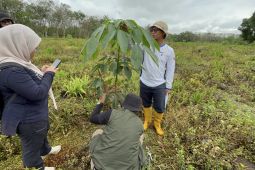
Indonesia's Ministry of Forestry is set to prioritize the restoration of degraded upstream forests and downstream areas located near disaster-prone zones. This initiative aims to address the environmental damage caused by natural disasters and improve the ecological health of these critical regions. The ministry's plan involves implementing comprehensive strategies for reforestation and ecosystem rehabilitation. Specific attention will be given to areas that have suffered significant deforestation or degradation due to events such as landslides, floods, and volcanic eruptions. The goal is to enhance the resilience of these landscapes against future environmental shocks. This effort is part of a broader national strategy to protect Indonesia's natural resources and biodiversity. The ministry will collaborate with local communities and other stakeholders to ensure the success and sustainability of the restoration projects. The initiative underscores the government's commitment to environmental conservation and disaster risk reduction.
This policy prioritizes ecological restoration in areas vulnerable to natural disasters, reflecting a strategic shift towards integrating environmental management with disaster risk reduction. By focusing on upstream and downstream forest health, Indonesia aims to mitigate the cascading effects of environmental degradation, such as soil erosion and water management issues, which often exacerbate disaster impacts. This approach acknowledges the interconnectedness of ecosystems and their role in buffering communities from natural hazards. The long-term success will likely depend on effective land-use planning, community engagement, and sustained funding to counter the pressures of development and climate change, which are increasing the frequency and intensity of extreme weather events globally.
AI-generated to prompt reflection — not editorial opinion, not advice, not a statement of fact. How this works.