Indonesia Launches World's First Mandatory B50 Biodiesel Policy
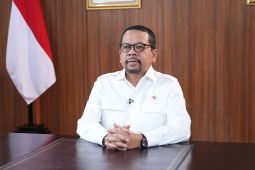
Indonesia has officially launched its mandatory B50 biodiesel program, marking a global first. This initiative requires that 50% of the biodiesel blend be derived from palm oil. The program aims to provide a significant boost to both the country's energy sector and its economy. By mandating the use of B50, Indonesia seeks to increase domestic consumption of palm oil, thereby supporting its large agricultural sector. This policy is expected to reduce the nation's reliance on imported fossil fuels, enhancing energy security. Furthermore, the increased demand for palm oil is anticipated to create more jobs and stimulate economic growth within Indonesia. The government has invested heavily in infrastructure to support this transition, ensuring a stable supply chain for the biodiesel. This pioneering policy positions Indonesia as a leader in renewable energy adoption, potentially influencing other nations to explore similar biofuel strategies. The long-term success of the B50 program will be closely watched as a model for sustainable energy development.
Indonesia's B50 biodiesel policy represents a strategic move to leverage domestic resources for economic and energy objectives. By mandating a high blend of palm oil-based biodiesel, the nation aims to bolster its agricultural sector and reduce fossil fuel import dependency. This approach highlights a common strategy among resource-rich developing nations to create value chains for their primary commodities. However, the global environmental implications of large-scale palm oil production, including deforestation and biodiversity loss, warrant careful consideration. Future assessments should evaluate the policy's net impact on greenhouse gas emissions and ecosystem health, alongside its economic benefits. The long-term sustainability of such mandates will likely depend on advancements in sustainable farming practices and the development of alternative, less environmentally impactful feedstocks.
AI-generated to prompt reflection — not editorial opinion, not advice, not a statement of fact. How this works.