Indonesia Pivots to High-Value Exports, Away From Raw Commodities
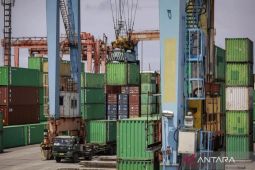
Indonesia's Ministry of Trade is implementing a strategic shift, moving away from an emphasis on primary commodity exports. The new focus is on promoting the export of products with higher added value. This policy aims to enhance the country's export performance and economic competitiveness on the global stage. By prioritizing goods that have undergone processing and refinement, Indonesia seeks to capture more value within its own economy. The ministry believes this approach will lead to more sustainable economic growth and create better employment opportunities. This strategy represents a significant departure from previous trade policies that heavily relied on the export of raw materials. The government is expected to provide incentives and support for industries that can develop and export these higher-value products. The ultimate goal is to strengthen Indonesia's position in international markets and reduce its vulnerability to global commodity price fluctuations. This move is anticipated to foster innovation and technological advancement within Indonesian industries as they adapt to meet the demands of producing more sophisticated goods.
This strategic pivot by Indonesia's Trade Ministry reflects a common developmental aspiration: moving up the value chain to capture greater economic benefits. By shifting focus from raw commodities to high-value-added products, the nation aims to insulate its economy from volatile global commodity prices and foster domestic industrial growth. This approach leverages potential advantages in manufacturing and processing capabilities, seeking to create more sophisticated export markets. The success of this strategy will likely depend on sustained investment in infrastructure, technology, and human capital, as well as effective trade policies that support nascent industries. Over the next decade, this transition could position Indonesia more favorably in the global economy, particularly as supply chains evolve and demand for specialized goods increases.
AI-generated to prompt reflection — not editorial opinion, not advice, not a statement of fact. How this works.