Indonesia Promotes Drought-Resistant Livestock Feed to Enhance Food Security
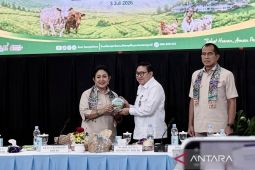
Indonesia's Ministry of Agriculture is actively promoting the widespread adoption of drought-resistant livestock feed, focusing on legumes and high-protein forage crops. This initiative aims to bolster the nation's food security by ensuring the resilience of its livestock sector against climate change impacts, particularly prolonged dry seasons. The ministry is encouraging farmers to cultivate these alternative feed sources, which are better suited to arid conditions and require less water than traditional fodder. By diversifying feed options, Indonesia seeks to maintain stable livestock production and reduce vulnerability to weather-related disruptions. The program also emphasizes the nutritional benefits of these legumes and forages, contributing to healthier livestock and potentially higher quality animal products. This strategic shift in feed management is part of a broader effort to adapt agricultural practices to a changing climate and secure a more sustainable food supply chain for the archipelago nation. The ministry's commitment underscores the importance of innovative agricultural solutions in addressing the challenges posed by environmental variability.
Indonesia's agricultural strategy to promote drought-resistant livestock feed reflects a proactive response to the increasing unpredictability of weather patterns driven by climate change. By shifting towards legumes and high-protein forages, the nation is seeking to build resilience within its livestock sector, mitigating risks associated with water scarcity and extended dry periods. This approach addresses potential vulnerabilities in food supply chains, aiming for greater self-sufficiency. The long-term success of this strategy will depend on farmer adoption rates, the availability of suitable seeds, and the economic viability of these alternative feed sources compared to conventional options. Furthermore, the initiative highlights a broader global trend of agricultural systems adapting to environmental pressures, underscoring the need for innovative and sustainable practices to ensure food security in the coming decades.
AI-generated to prompt reflection — not editorial opinion, not advice, not a statement of fact. How this works.