Indonesia Pushes for Enhanced Asia-Pacific Climate Cooperation at UNESCAP Session
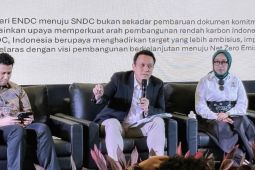
Indonesia has called for robust and unified climate action across the Asia-Pacific region during the 9th Session of the UN Economic and Social Commission for Asia and the Pacific (UNESCAP) Committee on Environment and Development. The nation emphasized the urgent need for collective efforts to address the escalating climate crisis, highlighting its significant impact on the region's development and stability. Indonesia stressed that effective climate mitigation and adaptation strategies require strong regional partnerships and shared commitments. The discussions likely focused on policy frameworks, technological cooperation, and financial mechanisms to support climate resilience and sustainable development goals within Asia and the Pacific. The country's advocacy underscores its commitment to leading by example and fostering a collaborative approach to environmental challenges on a global scale. The UNESCAP session serves as a crucial platform for member states to deliberate on pressing environmental issues and forge common pathways toward a sustainable future for the region.
The call for stronger Asia-Pacific climate action by Indonesia within the UNESCAP framework highlights a critical juncture for regional environmental governance. As developing nations face disproportionate impacts from climate change, the emphasis on concerted action points to the growing recognition of shared vulnerabilities and the need for collective solutions beyond individual state capacities. The effectiveness of such initiatives will hinge on overcoming diverse national interests, resource constraints, and differing levels of development, requiring innovative financing and technology transfer mechanisms. Looking ahead, the success of these collaborative efforts will be a key determinant in the region's ability to achieve sustainable development goals amidst the accelerating climate crisis and the transition towards a low-carbon global economy.
AI-generated to prompt reflection — not editorial opinion, not advice, not a statement of fact. How this works.