Indonesia Pushes Manufacturers to Expand Exports Via Trade Agreements
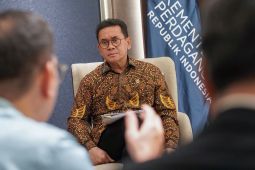
Indonesian Trade Minister Budi Santoso has urged labor-intensive industries to significantly increase their export volumes. He emphasized the strategic importance of utilizing existing international trade agreements to achieve this goal. The minister highlighted that these pacts offer a crucial pathway for Indonesian manufacturers to access global markets more effectively and competitively.
Santoso's call to action aims to stimulate economic growth by boosting the country's export performance. By leveraging preferential terms and reduced barriers within these trade agreements, companies can potentially lower costs and enhance their reach. This initiative is expected to strengthen Indonesia's position in the international trade landscape and create more opportunities for domestic industries.
The Indonesian government's directive to manufacturers to leverage trade pacts for export growth reflects a strategic effort to enhance national competitiveness. This policy aims to capitalize on existing international frameworks to stimulate economic activity, particularly within labor-intensive sectors. By encouraging the use of these agreements, the administration seeks to facilitate market access and potentially improve trade balances. The effectiveness of this strategy will depend on factors such as the specific terms of the trade pacts, the adaptability of local industries, and global market demand. Over the next decade, such initiatives will be critical in navigating evolving global supply chains and geopolitical trade dynamics, potentially positioning Indonesia to benefit from shifts in international commerce.
AI-generated to prompt reflection — not editorial opinion, not advice, not a statement of fact. How this works.