Indonesia's 20,000 Rupiah Note Featuring Lord Ganesh: A Historical Curiosity
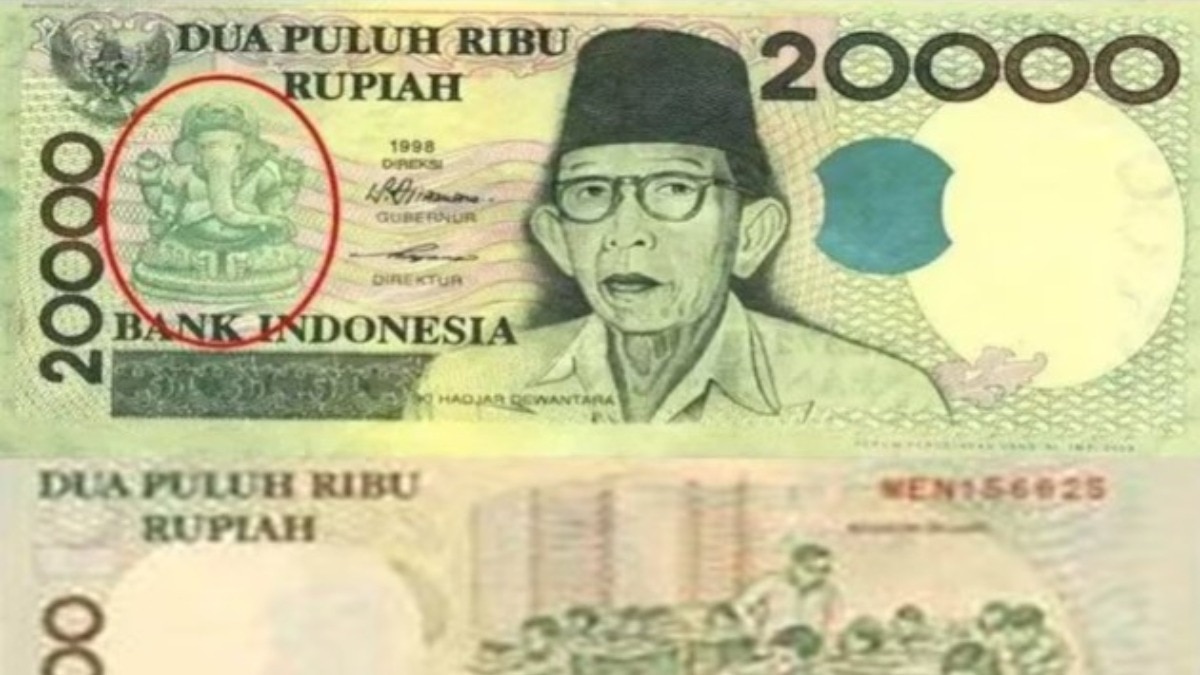
During Prime Minister Narendra Modi's visit to Indonesia, discussions have resurfaced regarding an older 20,000 rupiah banknote that featured an image of Lord Ganesh. This has prompted questions about why the world's most populous Muslim-majority nation chose to include the deity on its currency, when the note was issued, and the reasons for its discontinuation.
The note, issued in 1998, depicted Lord Ganesh on one side. The decision to feature the Hindu deity on the currency of a country where Muslims constitute the vast majority was a deliberate choice. It aimed to foster a sense of national unity and acknowledge the historical and cultural diversity within Indonesia, where Hinduism has a significant presence, particularly in regions like Bali.
Despite its symbolic importance, the 20,000 rupiah note featuring Ganesh was eventually withdrawn from circulation. The exact reasons for its discontinuation are multifaceted, but it is understood that the note was phased out as part of currency updates and redesigns over time. The circulation of this particular note serves as a reminder of Indonesia's unique approach to cultural representation and national identity on its currency.
The historical inclusion of Lord Ganesh on Indonesian currency, particularly the 20,000 rupiah note issued in 1998, highlights a complex interplay between national identity, cultural heritage, and religious demographics. In a nation predominantly Muslim, the decision to feature a Hindu deity reflects a deliberate strategy to acknowledge and integrate Indonesia's diverse cultural tapestry, moving beyond a singular religious identity to foster national unity. This approach, while potentially serving to bridge cultural divides, also navigates the inherent sensitivities of religious representation in a majority-minority context. The eventual discontinuation of the note, likely due to standard currency updates, underscores the dynamic nature of national symbols and the ongoing evolution of how countries choose to represent themselves on the global stage. Future currency designs may continue to grapple with balancing historical inclusivity with contemporary national narratives.
AI-generated to prompt reflection — not editorial opinion, not advice, not a statement of fact. How this works.