Indonesia's Bahlil Lahadalia: B50 Mandate to Save $9.35 Billion in Foreign Exchange
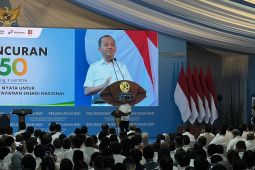
Bahlil Lahadalia, Indonesia's Minister of Energy and Mineral Resources, announced that the implementation of the B50 policy is projected to save the country approximately US$9.35 billion in foreign exchange. The B50 policy mandates that 50% of the diesel fuel used in Indonesia must be blended with biodiesel. This initiative is part of a broader strategy to reduce reliance on imported fossil fuels and bolster the domestic energy sector. The minister highlighted the significant economic benefits, emphasizing the positive impact on the national trade balance. Lahadalia stated that the program not only supports the environment by promoting the use of renewable energy sources but also stimulates the agricultural sector, particularly palm oil production, which is a key feedstock for biodiesel. The government aims to further expand the use of biofuels to enhance energy security and achieve sustainability goals. This policy is expected to create more jobs within the agricultural and processing industries. The successful implementation of B50 is seen as a crucial step towards Indonesia's energy independence.
The Indonesian government's B50 biodiesel mandate represents a strategic effort to leverage domestic resources for energy security and economic benefit. By requiring a higher blend of biodiesel, the policy aims to reduce foreign exchange outflows associated with fuel imports, thereby improving the trade balance. This approach also seeks to stimulate demand for domestically produced palm oil, a key agricultural commodity, potentially supporting rural economies and related industries. However, such mandates can also introduce complexities regarding supply chain management, price volatility of feedstocks, and potential impacts on food security or land use. The long-term success will depend on balancing these economic and environmental objectives with sustainable agricultural practices and global market dynamics, particularly as the world transitions towards cleaner energy alternatives.
AI-generated to prompt reflection — not editorial opinion, not advice, not a statement of fact. How this works.