Indonesia's Biodiversity Crucial for Long-Term Economic Growth, Says Minister
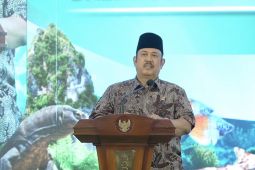
Indonesia's biological diversity is fundamental to its long-term economic future, according to Minister of National Development Planning (Bappenas) Suharso Monoarfa. He emphasized that biodiversity underpins various economic sectors, including agriculture, fisheries, and tourism, which are vital for the nation's prosperity. The minister highlighted the need for effective management and conservation of these natural resources to ensure sustainable economic development. He stated that Indonesia, as one of the world's megadiverse countries, holds a significant responsibility in preserving its rich biodiversity. This preservation is not only an environmental imperative but also a strategic economic asset. The government is committed to integrating biodiversity conservation into national development planning. This approach aims to balance economic growth with environmental protection, ensuring that future generations can also benefit from these natural resources. Suharso Monoarfa stressed that robust policies and international cooperation are essential to safeguard Indonesia's unique ecosystems and the economic opportunities they provide.
The Indonesian government's framing of biodiversity as a cornerstone of long-term economic growth highlights a strategic shift towards recognizing natural capital as a critical economic asset. This perspective suggests an understanding of the interconnectedness between environmental health and economic stability, moving beyond traditional resource extraction models. The emphasis on conservation as a means to secure future prosperity implies a recognition of the economic risks associated with biodiversity loss, such as ecosystem collapse impacting agriculture and tourism. This approach could foster more sustainable development pathways, provided that implementation effectively balances conservation goals with economic development needs and addresses potential trade-offs transparently. The long-term success will depend on robust governance, enforcement of conservation policies, and the integration of ecological considerations into all sectors of economic planning.
AI-generated to prompt reflection — not editorial opinion, not advice, not a statement of fact. How this works.