Indonesia's Krakatoa Volcano Erupted This Week, Recalling 1883 Disaster
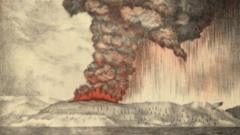
A volcano erupted in Indonesia this week, an event that brings to mind a far more devastating eruption in the same location in 1883. The 1883 eruption of Krakatoa was one of the deadliest volcanic events in history, resulting in the deaths of approximately 36,000 people. The immense power of that eruption caused widespread destruction and significant loss of life. This historical event serves as a stark reminder of the destructive potential of volcanic activity. The recent eruption, while notable, did not approach the scale of the 1883 disaster. The comparison highlights the extreme nature of past volcanic events and their profound impact on human populations and the environment. Understanding these historical eruptions is crucial for assessing current and future volcanic risks.
The recent volcanic eruption in Indonesia, while a significant geological event, pales in comparison to the catastrophic 1883 Krakatoa eruption that claimed 36,000 lives. This historical context underscores the immense power of natural forces and the vulnerability of human settlements. Examining the differing impacts of these two events can offer insights into advancements in monitoring, early warning systems, and disaster preparedness over the past century. It also prompts reflection on the long-term geological cycles and the inherent risks associated with living in volcanically active regions. Understanding these dynamics is crucial for sustainable development and risk mitigation strategies in the coming decades.
AI-generated to prompt reflection — not editorial opinion, not advice, not a statement of fact. How this works.