Indonesia's Minister of Investment Foresees Hydrogen Vehicles Competing with EVs in 10 Years
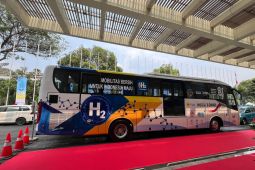
Indonesia's Minister of Investment, Bahlil Lahadalia, anticipates that hydrogen-powered vehicles will emerge as significant competitors to battery-electric vehicles (EVs) within the next decade. He believes that hydrogen technology has the potential to rival EVs in the clean transportation sector. This projection suggests a shift in the landscape of sustainable mobility, with hydrogen fuel cells offering an alternative to traditional battery power. The minister's statement indicates a forward-looking perspective on energy transition within the automotive industry. This development could influence investment and policy decisions related to clean energy infrastructure and vehicle manufacturing in Indonesia and potentially globally. The timeframe of 10 years suggests an expectation of rapid technological advancement and market adoption for hydrogen vehicles. This could lead to a more diverse market for eco-friendly transportation options.
The assertion that hydrogen vehicles will rival EVs within a decade highlights a potential divergence in clean energy strategies for transportation. While EVs benefit from established charging infrastructure and declining battery costs, hydrogen fuel cells offer advantages in refueling speed and range, particularly for heavy-duty applications. However, the widespread adoption of hydrogen vehicles faces significant hurdles, including the cost and energy intensity of hydrogen production, the development of a comprehensive refueling infrastructure, and the efficiency losses inherent in the hydrogen energy cycle. Policymakers and investors will need to carefully weigh these trade-offs, considering the long-term sustainability and scalability of each technology. The next decade will likely see continued innovation and competition, potentially leading to a hybrid market where both EVs and hydrogen vehicles carve out distinct niches based on their respective strengths and the specific demands of different transportation sectors.
AI-generated to prompt reflection — not editorial opinion, not advice, not a statement of fact. How this works.