Indonesia's Prabowo Faces Potential Clash with Wealthy 'Nine Dragons' Over Economic Reforms
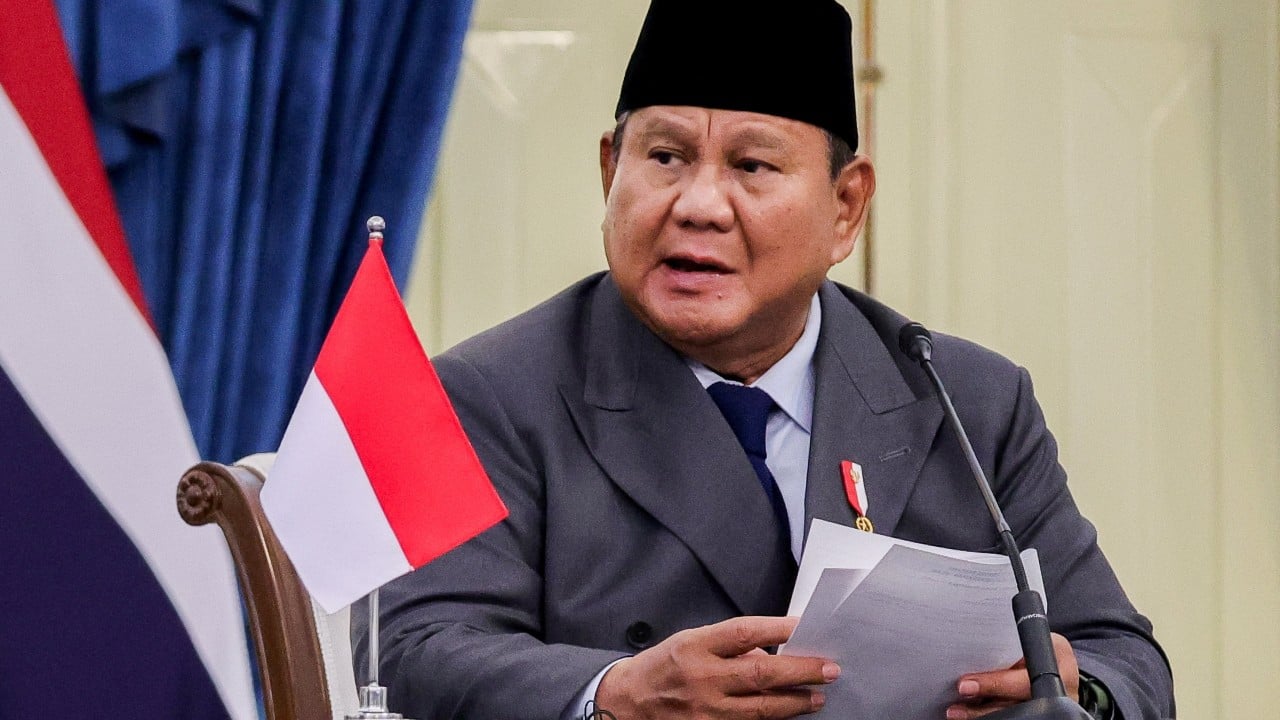
Indonesian President Prabowo Subianto's agenda to reshape the nation's economy with a more powerful, interventionist state is reportedly creating friction with the country's wealthiest families, known as the 'Nine Dragons' or 'Sembilan Naga.' This informal group comprises some of Indonesia's richest tycoons, many of whom are of Chinese Indonesian descent. Their business empires are diverse, encompassing sectors such as banking, tobacco, property, palm oil, mining, and consumer goods. The term 'Nine Dragons' is a broad descriptor and does not denote a formal organization. Analysts suggest that Prabowo's policies, which favor increased state control, may conflict with the established interests and business models of these influential families. The potential for a collision course stems from differing visions for the economic future of Southeast Asia's largest economy. Prabowo's approach appears to prioritize state-led development, while the 'Nine Dragons' have historically operated within a more market-driven framework.
President Prabowo's economic strategy, emphasizing state intervention, presents a potential governance challenge by confronting established economic power structures. The 'Nine Dragons,' representing significant private capital across key Indonesian industries, may perceive these reforms as a threat to their long-standing market influence. This dynamic highlights a common tension in developing economies between national development goals and the interests of entrenched business elites. Future economic policy decisions will likely involve navigating the trade-offs between strengthening state capacity and fostering private sector growth, with implications for investment, competition, and wealth distribution over the next decade. The success of Prabowo's agenda may hinge on his ability to balance these competing forces through transparent policy implementation and stakeholder engagement.
AI-generated to prompt reflection — not editorial opinion, not advice, not a statement of fact. How this works.
