Indonesia Slashes Free Meal Program, Kitchen Operators Face Uncertainty
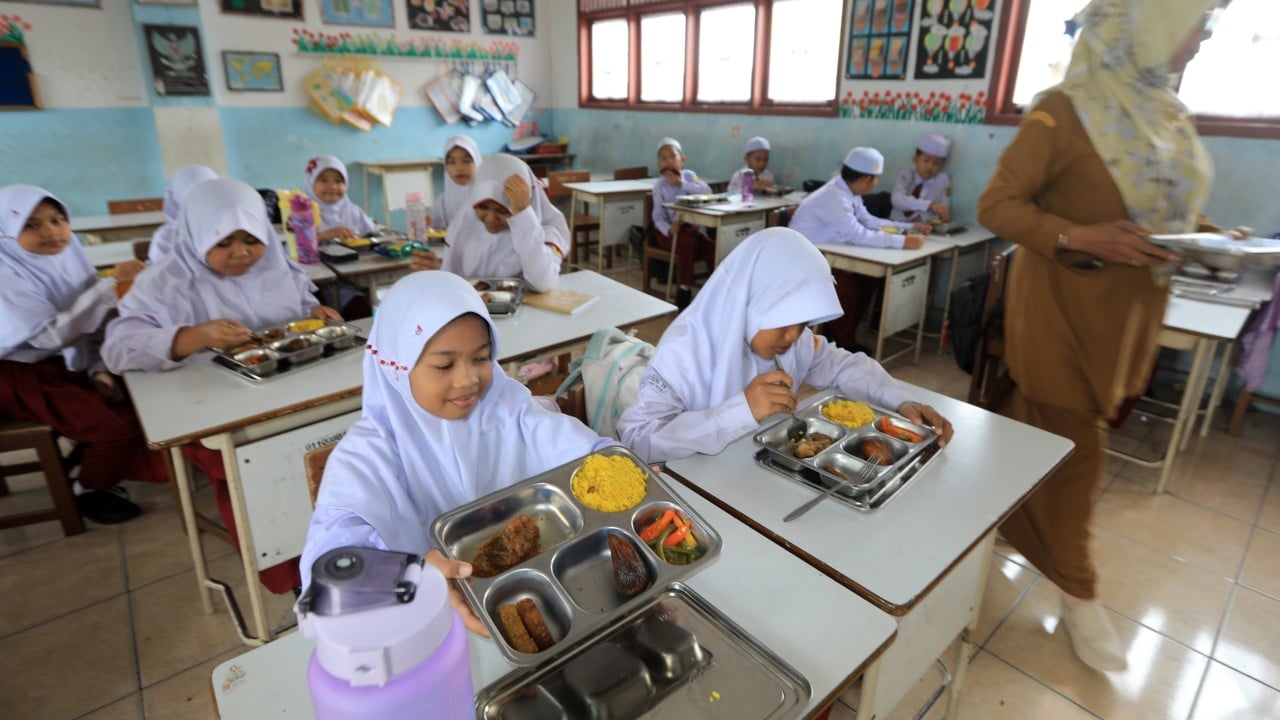
Thousands of Indonesian kitchen operators are expressing dismay following the government's decision to significantly reduce President Prabowo Subianto's flagship free meals program. The move is intended to achieve substantial cost savings, with Jakarta contemplating a budget cut exceeding US$2 billion. This reduction will impact both the number of beneficiaries and the kitchen operators involved in the initiative. Currently, the program supports nearly 28,000 kitchens across the nation. The National Nutrition Agency (NNA) has announced plans to temporarily suspend the onboarding of an additional 13,000 new kitchens that were slated to join the program. This scaling down leaves many operators in a state of uncertainty regarding their future involvement and income.
The Indonesian government's decision to curtail the free meals program, ostensibly for fiscal prudence, highlights a common tension between expansive social welfare promises and budgetary realities. This recalibration, impacting nearly 28,000 existing and potentially 13,000 new kitchen operators, raises questions about the long-term sustainability of such large-scale initiatives. The government faces the challenge of balancing immediate cost-saving imperatives with the potential socio-economic consequences of reduced food access for beneficiaries and income disruption for operators. Future policy design may need to incorporate more resilient funding models or phased implementation strategies to mitigate abrupt program shifts and ensure consistent support for vulnerable populations and associated small businesses.
AI-generated to prompt reflection — not editorial opinion, not advice, not a statement of fact. How this works.