Indonesia to Distribute Subsidies and Social Aid Through Village Cooperatives
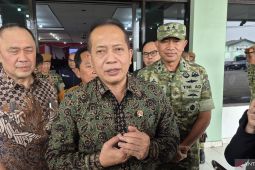
The Indonesian government is set to improve the distribution of subsidized goods and broaden social welfare programs. This initiative will involve channeling these benefits through village cooperative units (KUD). The aim is to ensure that these subsidies and aid reach the intended recipients more effectively.
This strategic shift is expected to streamline the process and potentially reduce leakages or inefficiencies that may have occurred with previous distribution methods. By leveraging existing community structures like village cooperatives, the government hopes to foster greater local participation and oversight. The specific types of subsidized commodities and social aid programs to be channeled through KUDs are yet to be fully detailed, but the focus is on making the system more robust and accessible. This move aligns with broader efforts to strengthen the rural economy and improve the livelihoods of people in villages across Indonesia.
The Indonesian government's decision to channel subsidies and social aid through village cooperatives represents a strategic pivot towards decentralized distribution. This approach aims to leverage established local networks to enhance efficiency and accountability, potentially mitigating issues of leakage and ensuring aid reaches intended beneficiaries more directly. The success of this model will likely depend on the capacity and transparency of these cooperatives, as well as the government's ability to provide adequate oversight and support. Over the next decade, as digital infrastructure evolves, integrating these local distribution points with broader digital payment and tracking systems could further optimize resource allocation and reduce administrative overhead, while also empowering local economic actors.
AI-generated to prompt reflection — not editorial opinion, not advice, not a statement of fact. How this works.