Indonesia Urges Universities to Establish Museums for Heritage Preservation
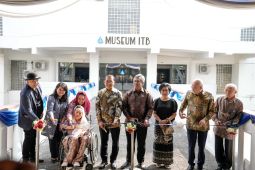
Indonesian Minister of Culture Fadli Zon has called on universities throughout the country to create their own museums. The initiative aims to bolster efforts in preserving the nation's rich cultural heritage. Minister Zon emphasized the crucial role higher education institutions can play in safeguarding historical artifacts and cultural expressions for future generations. This push is part of a broader strategy to ensure that Indonesia's diverse heritage is systematically documented and made accessible. The establishment of these museums is expected to not only serve as repositories of history but also as centers for research and education. Universities are seen as ideal locations due to their existing infrastructure and academic resources. The government hopes this will foster a greater sense of national identity and pride among students and the public. By leveraging the academic environment, Indonesia seeks to enhance the understanding and appreciation of its historical legacy. The Ministry of Culture will likely provide guidance and support for institutions looking to develop these heritage sites.
The Indonesian government's initiative to establish university museums highlights a strategic approach to cultural heritage management. By decentralizing preservation efforts to higher education institutions, the state can potentially leverage existing academic resources and infrastructure, fostering both research and public engagement. This model could prove more sustainable and scalable than solely relying on central institutions. However, the success of this policy will depend on adequate funding, standardized curatorial practices across institutions, and effective oversight to ensure long-term preservation and accessibility of diverse collections. The long-term impact will be shaped by how these museums integrate into academic curricula and community outreach programs, potentially influencing national identity and historical consciousness in the digital age.
AI-generated to prompt reflection — not editorial opinion, not advice, not a statement of fact. How this works.