Indonesian Anti-Corruption Agency Denies Targeting Officials Amidst Arrests
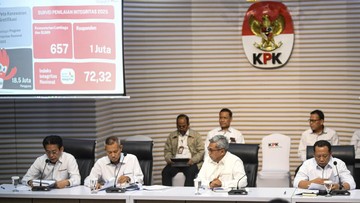
The Corruption Eradication Commission (KPK) in Indonesia has addressed the recent surge in arrests of regional heads, stating they do not target individuals or seek to find fault. As of the end of July, the KPK has processed at least 11 regents (bupati) and one mayor (wali kota) for legal proceedings. The most recent arrest involved the Regent of Pemalang, Anom Widiyantoro. This statement comes amid a notable increase in the number of local government leaders facing corruption charges, highlighting ongoing efforts by the KPK to combat graft within the Indonesian bureaucracy. The commission emphasizes its procedural approach, asserting that investigations are based on evidence and legal processes, rather than predetermined targets. The continuous apprehension of public officials underscores the persistent challenges in maintaining integrity in local governance across the archipelago.
The KPK's assertion of not targeting individuals suggests a procedural focus on evidence-based investigations. However, the high number of regional heads apprehended by the end of July, including the Regent of Pemalang, Anom Widiyantoro, prompts a systemic inquiry. This pattern may indicate latent governance vulnerabilities within local administrations, or potentially, a more aggressive enforcement phase by the KPK. Understanding the underlying incentives and accountability mechanisms for regional leaders is crucial. Future governance reforms might consider strengthening oversight and transparency protocols to preemptively address corruption risks, rather than solely relying on reactive enforcement, thereby fostering a more robust and ethical public service environment in the long term.
AI-generated to prompt reflection — not editorial opinion, not advice, not a statement of fact. How this works.