Indonesian Central Bank Governor's Exit Highlights Policy Tightrope Walk
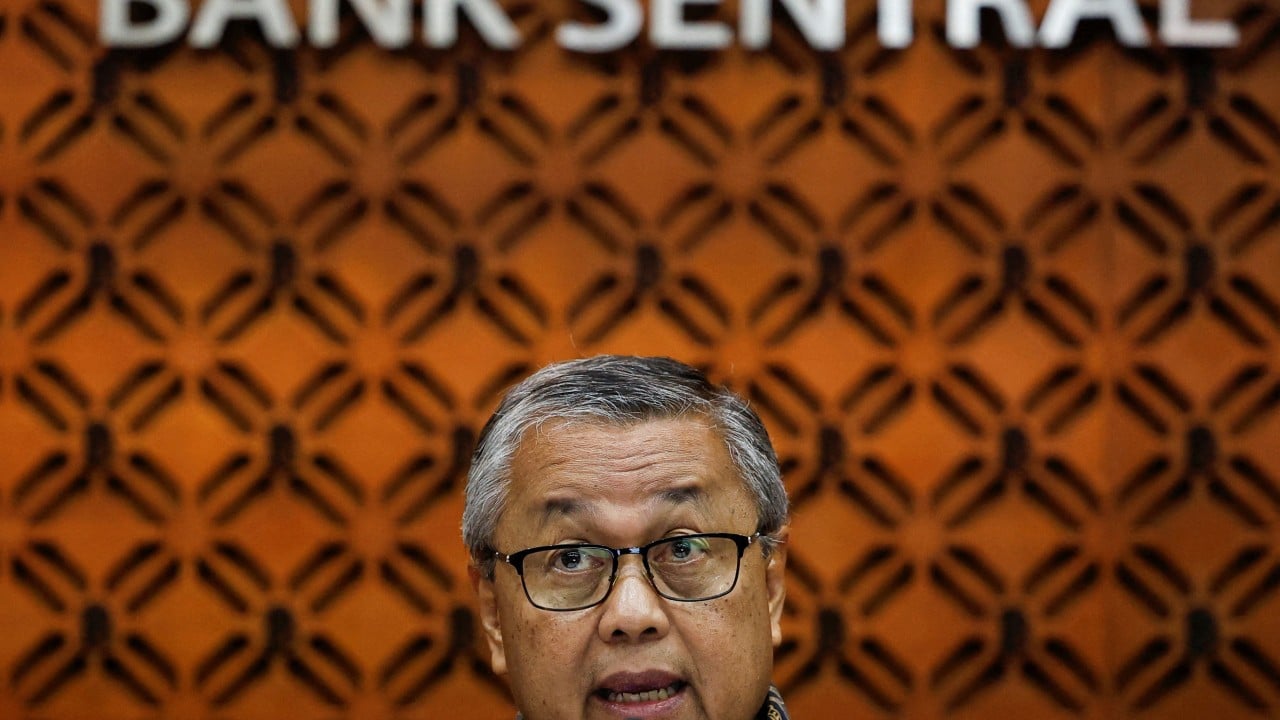
The unexpected resignation of Bank Indonesia's governor, Perry Warjiyo, has brought to light the complex balancing act faced by central bankers in the region. They are caught between the need to tighten monetary policy to protect weakening currencies and curb inflation, and the pressure to loosen policy to stimulate economic growth. Analysts suggest Warjiyo's departure may signal that he was pressured to align more closely with President Prabowo Subianto's economic expansion plans. This situation underscores the inherent tension between maintaining price stability and fostering economic development, a challenge that has become particularly acute in recent times.
The resignation of a central bank governor often reflects underlying policy tensions, particularly when economic mandates diverge. In this instance, the dilemma between currency defense, inflation control, and supporting a pro-growth agenda presents a classic challenge in monetary policy. The situation prompts consideration of how institutional frameworks can best navigate competing objectives, especially when political priorities may influence economic strategy. Future policy decisions will likely be scrutinized for their ability to balance these competing demands, potentially impacting investor confidence and long-term economic stability in Indonesia.
AI-generated to prompt reflection — not editorial opinion, not advice, not a statement of fact. How this works.