Indonesian Cleric Warns Corruptors of Hellfire and Urges Repentance
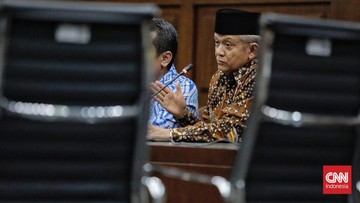
The Deputy Chairman of the Indonesian Ulema Council (MUI) has issued a stern warning to individuals involved in corruption, cautioning them about severe divine punishment and the painful torment of hell. He emphasized that such actions are not only illegal but also carry profound spiritual consequences.
The cleric urged those engaged in corrupt practices to sincerely repent and seek forgiveness. A crucial part of this repentance, he stated, involves the restitution of all ill-gotten gains. Returning stolen assets is presented as a necessary step towards achieving salvation and averting the described divine retribution. This call to action highlights the religious and moral dimensions of combating corruption within the Indonesian context.
This statement from a prominent religious figure frames corruption not merely as a legal or economic transgression but as a profound moral and spiritual failing with eternal consequences. By invoking divine punishment, the warning aims to leverage religious belief to deter corrupt behavior and encourage restitution. This approach highlights the intersection of faith and public ethics in Indonesia, where religious authorities often play a significant role in shaping societal norms and advocating for good governance. The emphasis on repentance and returning stolen assets suggests a focus on restorative justice from a religious perspective, potentially complementing formal legal processes by appealing to individuals' consciences and fear of divine judgment.
AI-generated to prompt reflection — not editorial opinion, not advice, not a statement of fact. How this works.