Indonesian Deputy Home Affairs Minister Urges Local Governments to Prioritize Education
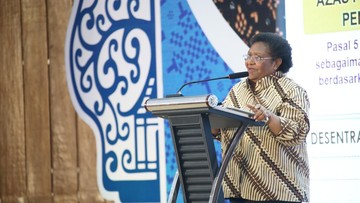
Indonesian Deputy Minister of Home Affairs, Ribka Haluk, has urged regional governments to make education a top priority. She emphasized that prioritizing educational services is crucial for developing high-quality human resources. Haluk stressed the importance of ensuring that access to education is both fair and inclusive for all citizens. She acknowledged that challenges exist in achieving these goals. However, she believes that with focused efforts, these obstacles can be overcome. The minister's call highlights the government's commitment to improving educational standards across the country. This initiative aims to build a stronger foundation for future generations through better learning opportunities. The focus on quality and accessibility underscores a broader strategy for national development.
The Deputy Minister's directive to regional governments to prioritize education reflects a common governance challenge: ensuring equitable resource allocation for long-term human capital development. While the stated goal of quality and inclusive education is laudable, the effectiveness of such mandates often hinges on the fiscal autonomy and administrative capacity of local governments. Future policy evaluations should consider the mechanisms in place to support these regional bodies, as well as the metrics used to assess progress beyond mere access. The tension between immediate service delivery demands and sustained investment in education will likely persist, requiring innovative funding models and robust accountability frameworks to navigate the evolving socio-economic landscape of the coming decade.
AI-generated to prompt reflection — not editorial opinion, not advice, not a statement of fact. How this works.