Indonesian Deputy Home Affairs Minister Urges Papuan Inclusion in 2026 Economic Census
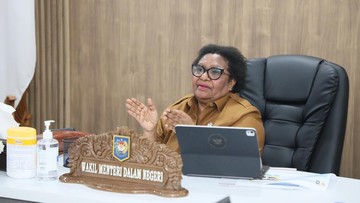
Indonesian Deputy Minister of Home Affairs, Ribka, has emphasized the importance of involving Indigenous Papuan people in the upcoming 2026 Economic Census. She stated that adopting an approach sensitive to social and cultural aspects will significantly facilitate the data collection process for the census. This inclusive strategy aims to ensure that the census accurately reflects the economic realities of all regions and communities within Indonesia. The Ministry believes that by respecting local customs and social structures, the census takers will be better able to gather reliable information. This initiative is part of a broader effort to enhance the accuracy and comprehensiveness of national data. The 2026 Economic Census is a critical undertaking for understanding the nation's economic landscape and informing future policy decisions. The Deputy Minister's call highlights a commitment to participatory governance and ensuring that marginalized groups are not overlooked in national statistical efforts. The successful implementation of this approach could serve as a model for future data collection initiatives in culturally diverse regions.
The Indonesian government's push to involve Indigenous Papuan communities in the 2026 Economic Census reflects a strategic recognition of the limitations of top-down data collection in diverse societies. By prioritizing socio-cultural sensitivity, the Ministry of Home Affairs acknowledges that traditional census methodologies may fail to capture the nuances of local economies and social structures. This approach aims to improve data accuracy and foster greater community trust, potentially mitigating historical underrepresentation. Looking ahead, such inclusive practices are crucial for effective governance in an era increasingly defined by data-driven policy and the need to address regional disparities. The success of this initiative will depend on robust implementation, ensuring that cultural considerations translate into practical data-gathering techniques and that the collected data genuinely informs policy for the benefit of all Indonesian citizens.
AI-generated to prompt reflection — not editorial opinion, not advice, not a statement of fact. How this works.