Indonesian Interior Minister Pushes E-Government for Accurate Social Aid Distribution
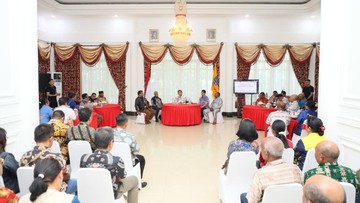
The Indonesian Minister of Home Affairs, Tito Karnavian, is advocating for the integration of e-government systems to improve the accuracy of social aid distribution. This initiative aims to ensure that aid reaches the intended recipients efficiently and without leakage. A key component of this strategy involves the use of biometric data, which will be instrumental in verifying beneficiaries and preventing fraudulent claims. The pilot implementation of this system is being considered for Biak Numfor, a region where ensuring aid reaches the right people presents significant challenges. By leveraging digital technology and robust data management, the ministry hopes to create a more transparent and effective social welfare program. This move is part of a broader effort to modernize government services and enhance accountability across all sectors. The focus on e-government is expected to streamline processes, reduce administrative costs, and ultimately benefit the citizens who rely on these essential services. The minister's directive underscores the government's commitment to utilizing technology to address systemic issues in aid delivery.
The push for e-government integration in social aid distribution reflects a global trend toward digital transformation in public services. By implementing biometric data verification, the Indonesian government aims to enhance the integrity of its welfare programs, addressing potential issues of leakage and fraud. This technological approach could lead to more efficient resource allocation, ensuring that aid reaches the intended beneficiaries. However, challenges related to digital infrastructure, data privacy, and equitable access for all citizens, particularly those in remote areas, must be carefully managed. The long-term success will depend on robust cybersecurity measures, continuous system updates, and a commitment to inclusive digital governance that bridges the digital divide.
AI-generated to prompt reflection — not editorial opinion, not advice, not a statement of fact. How this works.