Indonesian Minister Assures B50 Biodiesel Safety for Asian and European Cars
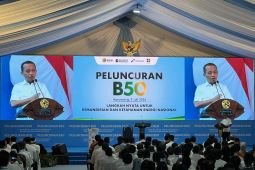
Indonesia's Minister of Energy and Mineral Resources, Bahlil Lahadalia, has publicly stated that the nation's B50 biodiesel blend is safe for use in vehicles manufactured in Asia and Europe. This assurance aims to address potential concerns regarding the compatibility and performance of biodiesel with engines designed for conventional fuels. The B50 blend consists of 50% palm oil-based biodiesel mixed with 50% fossil diesel. Minister Lahadalia's remarks are intended to bolster confidence in the domestic biodiesel program and potentially encourage its wider adoption. The government has been promoting the use of biofuels as part of its strategy to reduce reliance on imported fossil fuels and to support the domestic palm oil industry. Further details on the specific testing or standards that confirm the safety for diverse automotive manufacturers were not immediately provided in the statement. The ministry is likely seeking to preempt any negative perceptions or trade barriers that could arise from concerns about fuel quality.
The Indonesian government's promotion of B50 biodiesel, as articulated by Minister Bahlil Lahadalia, reflects a strategic effort to leverage domestic resources, specifically palm oil, for energy security and economic support. By asserting the fuel's compatibility with a broad range of international vehicles, the ministry aims to mitigate potential market access challenges and foster domestic demand. This initiative highlights a common tension between national resource utilization policies and global automotive industry standards, which often prioritize specific fuel formulations. The long-term success of such mandates will likely depend on continuous technological adaptation by both fuel producers and vehicle manufacturers, alongside robust regulatory oversight to ensure environmental and engine performance standards are met consistently over time. The transition to biofuels presents complex trade-offs between energy independence, agricultural land use, and technological integration within the global automotive ecosystem.
AI-generated to prompt reflection — not editorial opinion, not advice, not a statement of fact. How this works.