Indonesian Minister Assures Safety of B50 Biodiesel for Asian and European Vehicles
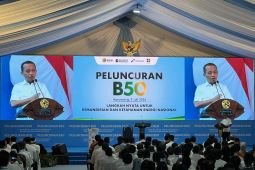
Indonesian Minister of Energy and Mineral Resources, Bahlil Lahadalia, has publicly affirmed the quality and safety of the nation's B50 biodiesel blend. This statement aims to alleviate concerns regarding the potential impact of this fuel on vehicles manufactured in Asia and Europe. The minister's assurance is intended to build confidence in the domestic biodiesel program. B50 biodiesel is a blend consisting of 50% palm oil-based biofuel and 50% fossil diesel. The government has been actively promoting the use of biodiesel as part of its strategy to reduce reliance on imported fossil fuels and support the domestic palm oil industry. This initiative is also seen as a move towards cleaner energy sources, contributing to environmental goals. Lahadalia's comments suggest that extensive testing and validation have been conducted to ensure compatibility with a wide range of automotive engines commonly found in vehicles originating from major global markets. The ministry is expected to continue monitoring the performance and impact of B50 biodiesel to ensure its long-term viability and widespread acceptance.
The Indonesian government's promotion of B50 biodiesel, as articulated by Minister Bahlil Lahadalia, represents a strategic effort to leverage domestic agricultural resources, specifically palm oil, for energy security and economic stimulus. By asserting the fuel's compatibility with diverse international vehicle standards, the ministry seeks to mitigate market resistance and foster broader adoption. This policy initiative navigates the complex interplay between energy independence goals, agricultural sector support, and evolving global environmental regulations. Future considerations will likely involve the long-term sustainability of palm oil production, potential impacts on biodiversity, and the evolving landscape of automotive technology, including the increasing prevalence of electric vehicles and advanced internal combustion engine designs. The success of such biofuel mandates hinges on balancing immediate economic and energy objectives with these broader environmental and technological trajectories.
AI-generated to prompt reflection — not editorial opinion, not advice, not a statement of fact. How this works.