Indonesian Minister Calls for Sustainable Infrastructure to Drive Inclusive Growth
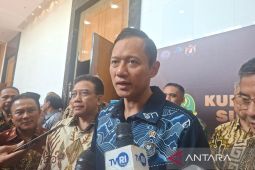
Coordinating Minister for Infrastructure and Regional Development Agus Harimurti Yudhoyono (AHY) has stressed the importance of developing sustainable infrastructure to foster inclusive growth. He highlighted that infrastructure development should not only focus on physical construction but also on its long-term benefits and environmental impact. AHY believes that well-planned and sustainable infrastructure projects are crucial for ensuring that economic development reaches all segments of society. This approach aims to reduce disparities and create more equitable opportunities across regions. The minister's remarks suggest a strategic shift towards prioritizing projects that contribute to both economic progress and social well-being. He underscored the need for integrated planning that considers environmental sustainability and social inclusivity from the outset. This vision aligns with broader national development goals aimed at creating a more prosperous and balanced nation. The focus on sustainability is expected to guide future infrastructure investments and policy decisions.
The Indonesian government's emphasis on sustainable infrastructure for inclusive growth signals a recognition of the long-term economic and social costs associated with conventional development models. By prioritizing sustainability and inclusivity, policymakers are attempting to mitigate potential environmental degradation and social inequalities that can arise from rapid infrastructure expansion. This strategic pivot aims to harness infrastructure as a tool for equitable development, ensuring that economic benefits are broadly distributed. The challenge lies in balancing immediate developmental needs with the imperative of environmental stewardship and social equity, requiring robust governance frameworks and transparent project selection processes to avoid greenwashing or exacerbating existing disparities. Future success will depend on the effective implementation of these principles and the ability to adapt to evolving environmental and social challenges.
AI-generated to prompt reflection — not editorial opinion, not advice, not a statement of fact. How this works.