Indonesian Minister Notes Loss of Academic Criticality in Bureaucrats
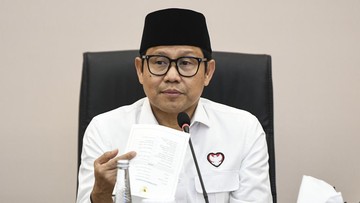
Coordinating Minister for People's Welfare, Muhaimin Iskandar, also known as Cak Imin, has observed a concerning trend where academics tend to lose their critical thinking abilities once they transition into bureaucratic roles. He expressed this sentiment, highlighting a perceived decline in intellectual rigor among those who move from academia to government service. Cak Imin emphasized the crucial role of higher education institutions in safeguarding public policy. He called upon universities to actively monitor and ensure that public policies are developed and implemented with integrity and a commitment to critical evaluation. This call to action underscores his belief that academic principles should continue to inform and scrutinize governmental processes, even when academics themselves become part of the administration.
The observation by Cak Imin points to a potential systemic tension between the independent, critical ethos of academia and the pragmatic, often hierarchical demands of public administration. This dynamic may stem from incentive structures within bureaucracy that prioritize consensus-building and adherence to established protocols over potentially disruptive critical inquiry. Universities play a vital role in fostering intellectual independence, and their engagement with public policy can be a double-edged sword: providing valuable expertise while risking the co-option of critical perspectives. Future governance models might benefit from exploring mechanisms that allow for sustained, independent academic oversight of policy without compromising the operational efficiency of government agencies.
AI-generated to prompt reflection — not editorial opinion, not advice, not a statement of fact. How this works.