Indonesian Ministry of Defense Explains Military Training for Fishermen's Village Cooperative Managers
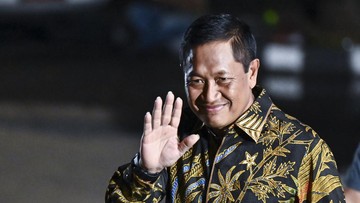
The Indonesian Ministry of Defense (Kemhan) has clarified the reasons behind providing basic military training to participants in the Fishermen's Village Cooperative Management Program (SPPI). The primary objective of this training is to instill a strong character in the individuals selected to manage these cooperatives. Kemhan emphasizes that the military training is designed to shape the personal and professional qualities of the future managers. This initiative aims to ensure that the cooperative leaders possess the discipline and integrity necessary for effective leadership. The program is intended to foster a sense of responsibility and commitment among the participants. By undergoing this training, the ministry hopes to build a robust foundation for the successful operation of fishermen's village cooperatives across the nation. This approach underscores the ministry's commitment to strengthening local economic structures through disciplined and well-rounded leadership.
The Indonesian Ministry of Defense's decision to implement military-style character training for civilian cooperative managers suggests a strategic approach to governance, potentially aiming to imbue public service roles with a greater sense of discipline and accountability. This method may be viewed as an attempt to address perceived deficiencies in leadership integrity or operational efficiency within cooperative structures. However, it raises questions about the most effective and appropriate methods for developing managerial skills in the civilian sector. While character development is crucial, the specific utility of military training for cooperative management warrants consideration of alternative, more tailored professional development programs that focus on financial management, market dynamics, and community engagement specific to the cooperative model. The long-term impact on the autonomy and democratic functioning of these cooperatives, as well as potential perceptions of militarization in civilian life, will be key factors to monitor in the coming years.
AI-generated to prompt reflection — not editorial opinion, not advice, not a statement of fact. How this works.