Indonesian Ministry of Home Affairs Urges 174 Regions to Refine BSPS Beneficiary Data
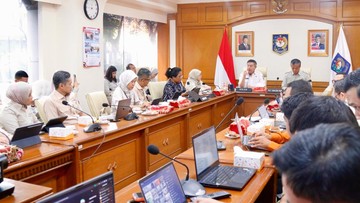
The Indonesian Ministry of Home Affairs has requested 174 regencies and cities to finalize the data of prospective recipients for the 2026 BSPS Program. This initiative, known as the Housing Savings and Self-Help Program (BSPS), aims to improve housing conditions across the nation. The program's primary objective for 2026 is to rehabilitate 400,000 uninhabitable houses. The Ministry emphasizes the importance of accurate and complete data to ensure the program's effectiveness and reach the intended beneficiaries. This data refinement is a crucial step in the preparation phase for the upcoming year's housing assistance rollout. The BSPS program is a government initiative designed to provide financial assistance and encourage community participation in improving housing quality for low-income households. By targeting uninhabitable homes, the program seeks to enhance the safety and well-being of vulnerable populations. The Ministry's directive underscores the commitment to transparent and efficient program implementation.
The Ministry of Home Affairs' directive to refine beneficiary data for the BSPS Program highlights the critical role of accurate information in the effective deployment of public housing initiatives. This emphasis on data integrity is essential for ensuring that government resources are allocated efficiently and reach the intended recipients, preventing potential leakage or misallocation. The target of rehabilitating 400,000 uninhabitable houses by 2026 indicates a significant national housing deficit, suggesting that such programs are a necessary, albeit potentially insufficient, response to systemic housing insecurity. Future policy considerations might explore sustainable funding models and community-led construction approaches to scale these efforts further and address the root causes of housing inadequacy, particularly in the context of demographic shifts and economic pressures projected over the next decade.
AI-generated to prompt reflection — not editorial opinion, not advice, not a statement of fact. How this works.