Indonesian Public Schools Face Low Enrollment at Start of New Academic Year
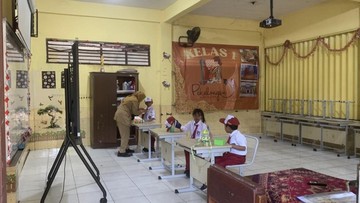
As the 2026/2027 academic year begins, several public schools across Indonesia are experiencing a significant shortage of new students. This phenomenon raises questions about the underlying reasons for the low enrollment rates in these state-run educational institutions. The situation highlights a potential challenge for the public education system in attracting and retaining students. Further investigation is needed to understand the specific factors contributing to this trend in various regions. The number of new students reported ranges from just 1 to 5 per school, indicating a critical level of under-enrollment. This situation could impact the operational capacity and resource allocation for these schools. It is essential to identify the root causes to ensure equitable access to education for all children in Indonesia. The Ministry of Education and Culture may need to address this issue to prevent further decline in student numbers.
The low enrollment in some Indonesian public schools at the start of the 2026/2027 academic year suggests potential systemic issues in educational access or appeal. Factors such as demographic shifts, the perceived quality of public versus private education, or geographical accessibility may be at play. Understanding these dynamics is crucial for policymakers aiming to ensure equitable educational opportunities. Addressing this trend proactively could involve targeted community outreach, curriculum enhancements, or infrastructure improvements to bolster the attractiveness and viability of public schooling. The long-term implications for educational equity and national development warrant careful consideration of these enrollment patterns.
AI-generated to prompt reflection — not editorial opinion, not advice, not a statement of fact. How this works.