Indonesian Schoolboy Discovers Security Vulnerability in NASA Domain
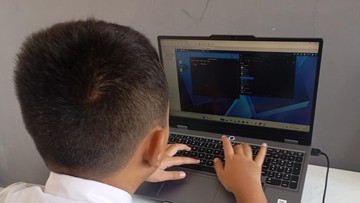
Ibrahim Al Abrar, a sixth-grade elementary school student from Boyolali, Indonesia, has gained public attention for successfully identifying a security vulnerability within one of NASA's public domains. The young student's discovery highlights a significant lapse in the space agency's digital security protocols. This incident underscores the potential for individuals, regardless of age or formal affiliation, to uncover critical flaws in complex systems. NASA's acknowledgment of the vulnerability, following its discovery by Al Abrar, indicates a willingness to address identified security weaknesses. The case also brings attention to the growing capabilities of young individuals in the field of cybersecurity. Further details regarding the specific domain affected and the nature of the vulnerability have not been publicly disclosed. This event serves as a reminder for organizations, especially those handling sensitive data, to continuously review and strengthen their cybersecurity measures. The proactive identification of such flaws is crucial in preventing potential breaches and safeguarding digital assets.
This event demonstrates that cybersecurity vulnerabilities can be identified by individuals outside of traditional security frameworks, irrespective of age or formal training. The discovery by a young student suggests that current security testing methodologies may have blind spots or that the complexity of digital infrastructure presents pervasive risks. For NASA, this incident presents an opportunity to refine its bug bounty programs and external security audits, potentially leveraging a wider pool of talent. It also raises questions about the efficacy of automated security checks versus human-driven penetration testing. The focus should be on strengthening systemic defenses and fostering an environment where such discoveries are reported and addressed efficiently, rather than solely on the individual's achievement. This underscores a broader trend where decentralized, diverse perspectives can enhance organizational resilience in the digital age.
AI-generated to prompt reflection — not editorial opinion, not advice, not a statement of fact. How this works.