Indus Waters Treaty at Risk: A Test for Global Cooperation
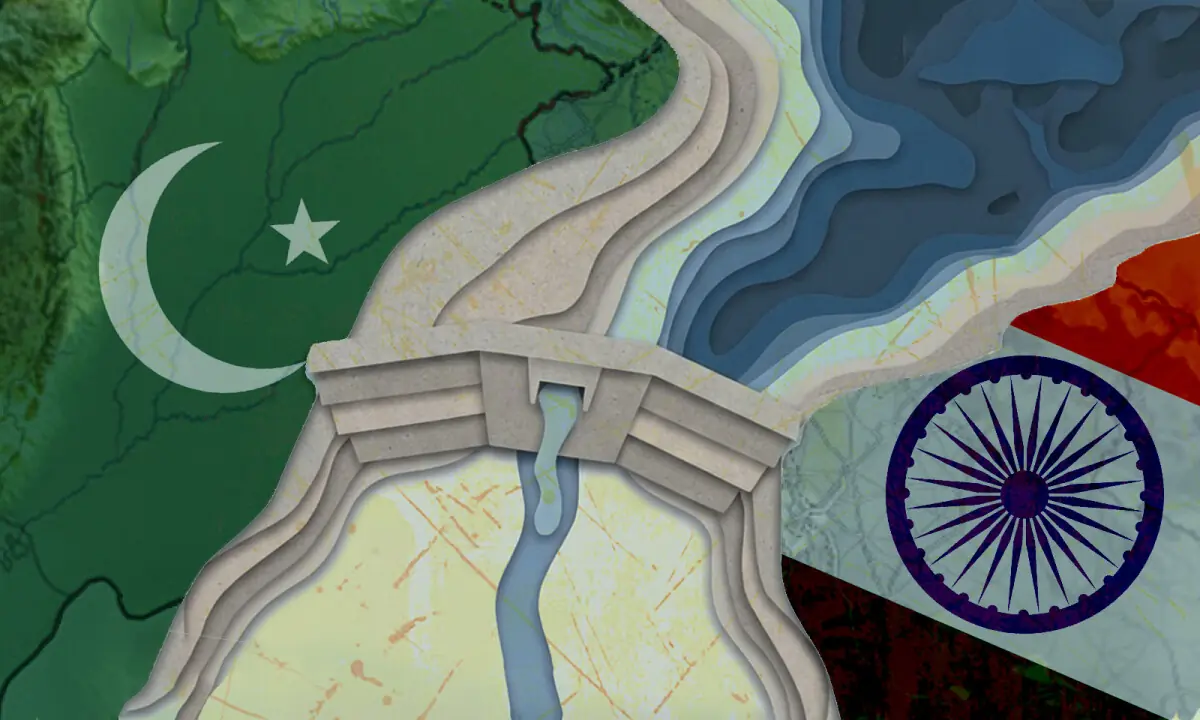
The Indus Waters Treaty, a critical bilateral agreement between India and Pakistan, is facing an unprecedented challenge that threatens its long-standing success and has broader implications for international law. The author, attending a seminar in Islamabad on June 30, 2025, argues that the situation transcends a mere water dispute, serving as a crucial test for the durability of treaty-based international cooperation. The treaty, brokered by the World Bank and signed in 1960, established not only water allocation but also the Permanent Indus Commission, a joint body of engineers tasked with managing the shared resource. This institutional framework has successfully navigated three wars and numerous crises, demonstrating remarkable resilience.
However, India's April 2025 declaration to place the treaty in abeyance, following a terror attack, is seen as lacking legal basis under international water law. The 1997 UN Watercourses Convention emphasizes equitable use, prior notification, data exchange, and good faith performance, obligations that do not cease with unilateral pronouncements. The Permanent Court of Arbitration has reinforced this, ruling in its June 2025 Supplemental Award that India's declaration does not invalidate the tribunal's jurisdiction. The principle of 'pacta sunt servanda' (treaties must be performed in good faith) is fundamental to the international legal order, and its erosion in this instance has far-reaching consequences for the 310 shared river basins globally.
The author emphasizes the commitment of Pakistani participants at the seminar, who are advocating for the treaty based on legal arguments and the vital importance of water security for 240 million people. The international community is urged to support the treaty's mechanisms, including the resumption of Permanent Indus Commission meetings, data sharing, and respect for arbitral processes. The failure of the Indus Waters Treaty would not only be catastrophic for Pakistan but would also undermine the reliability of all international agreements.
The Indus Waters Treaty's current strain highlights a systemic tension between national security imperatives and the foundational principles of international law governing shared resources. India's invocation of 'abeyance' suggests a perceived need to prioritize immediate security concerns over treaty obligations, a stance that challenges the universality of 'pacta sunt servanda.' This situation underscores the inherent fragility of international agreements when confronted by escalating geopolitical tensions and domestic political pressures. The author's framing of the treaty as a test for global cooperation points to a broader concern: if a well-established, decades-old water-sharing mechanism can be unilaterally suspended, it erodes confidence in the international legal order's capacity to manage critical shared resources. The long-term viability of such treaties may depend on developing more robust, adaptive dispute resolution mechanisms that can accommodate evolving security landscapes without compromising the core tenets of equitable use and good faith performance, thereby preventing a cascade of similar challenges across other shared basins.
AI-generated to prompt reflection — not editorial opinion, not advice, not a statement of fact. How this works.