Industrial policy needs political backing to succeed in Bangladesh: Expert
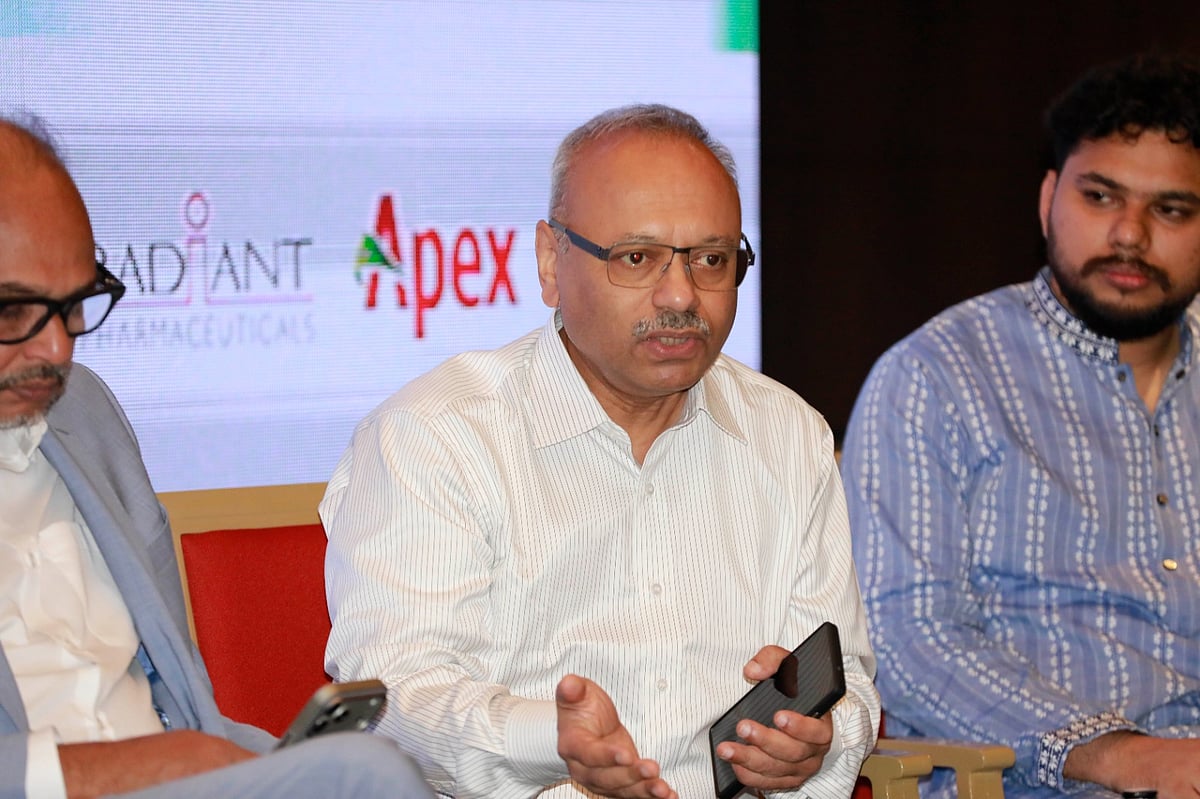
Bangladesh faces a significant employment challenge that requires industrialization for resolution. However, the potential benefits of industrial policies are often lost due to a lack of political settlement, according to Mushtaq Khan, an economics professor at SOAS University of London. He stated at the Bengal Delta Conference in Dhaka on Friday, July 24, 2026, that industrial policies have historically failed in countries without such political arrangements. Khan emphasized that organizational capability, not just machinery or worker skill, drives productivity, citing the vast difference in yarn production between the US and India as an example. He explained that effective industrial policy involves conditions for entrepreneurs, such as subsidies or loans, tied to achieving international competitiveness within a set timeframe. South Korea's model, where the state would reassign factories from underperforming entrepreneurs to more capable ones, was presented as an example of successful enforcement. Khan noted that in corrupt environments like Bangladesh, such credible threats are absent, leading entrepreneurs to default on loans or ignore productivity improvements. He suggested emulating the garment industry model from the era of former President Ziaur Rahman, which fostered skills and training through foreign partnerships without direct subsidies. Prime Minister's Advisor on Financial Affairs and Planning, Rashed Al Mahmud Titumir, also spoke, outlining a vision for a democratic welfare state and a $1 trillion economy by 2034. He acknowledged the current fragile economic state with imbalances and low investment, pledging to restore public confidence. Titumir highlighted the need for equitable regional development, citing the underutilized potential of the northern region's agricultural and natural resources, and the plan to establish new factories on the sites of defunct state corporations. He also stressed the importance of improving connectivity through dual-gauge railways and expressways linked to industrial zones. Titumir mentioned efforts to coordinate fiscal and monetary policies, maintain low interest rates despite inflation, and fund oil and gas exploration. Other speakers included Abrar Hossain Sayem, president of the Bangladesh Apparel Youth Leaders' Alliance, who called for diversification beyond garments and improved technical training, and macroeconomist Jyoti Rahman, who advocated for finding non-subsidy support mechanisms for entrepreneurs.
The discussion highlights a critical tension in developing economies: the gap between policy intent and effective implementation. While industrial policies aim to foster growth and employment, their success hinges on robust governance and accountability mechanisms. The concept of 'political settlement' suggests that state capacity to enforce policy conditions, such as requiring entrepreneurs to meet competitiveness targets, is paramount. Without credible enforcement, incentives for productivity and innovation may be undermined, leading to the misuse of state support. The proposed solutions, including learning from past successful models and enhancing infrastructure, address systemic issues. However, the challenge lies in establishing impartial and effective regulatory frameworks that can overcome entrenched interests and ensure that policy benefits translate into tangible economic progress and widespread job creation, rather than enriching a select few.
AI-generated to prompt reflection — not editorial opinion, not advice, not a statement of fact. How this works.