Industrial Simulation Boosts Productivity and Reduces Costs Through Virtual Testing
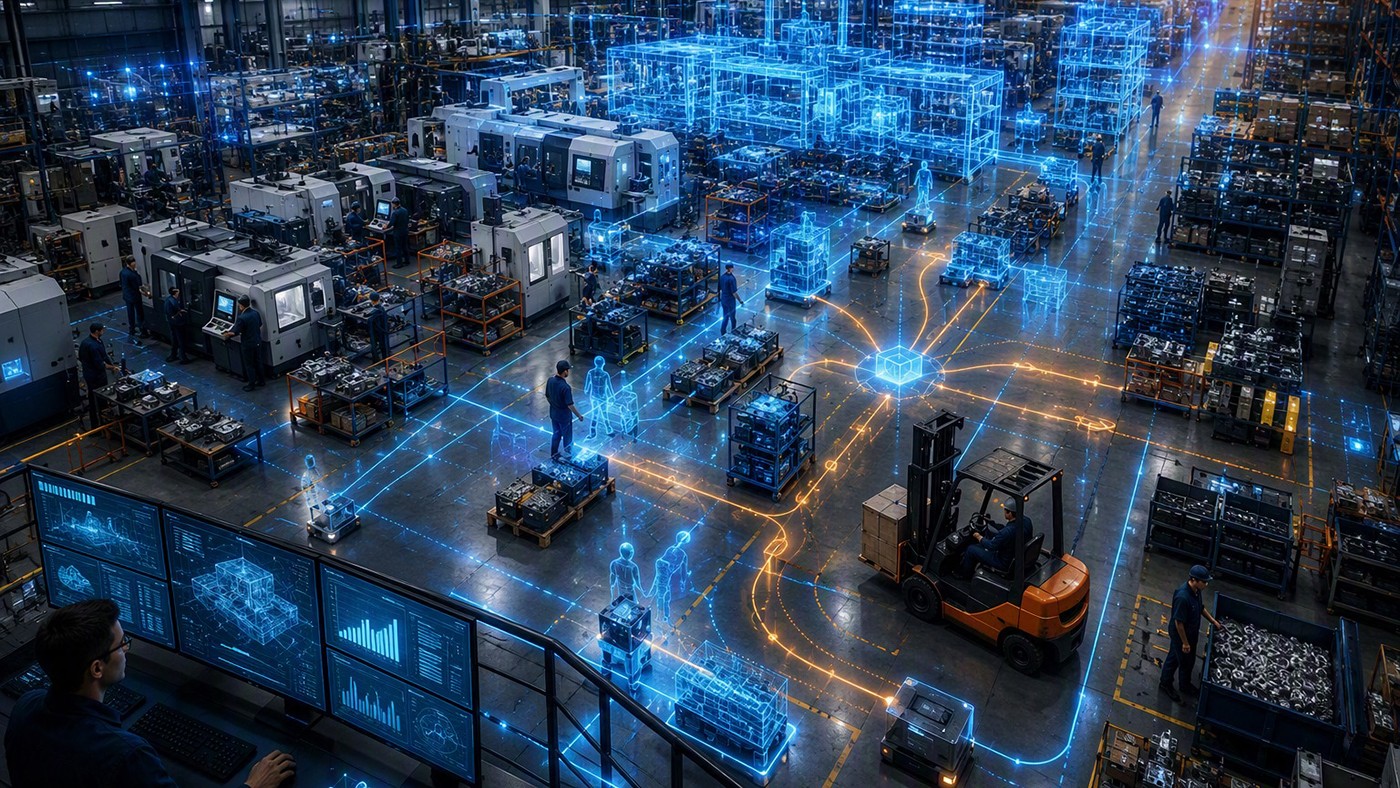
Companies can now test various operational changes, equipment investments, and factory layout modifications in a virtual environment before implementing them physically. Computational simulation is emerging as a key strategic tool for businesses aiming to enhance productivity, minimize waste, and make more informed decisions. This technology allows for the creation of digital models that mimic the operations of machinery, production flows, material handling, and daily routines. By utilizing real-world data and mathematical models, businesses can explore different scenarios, pinpoint bottlenecks, and forecast outcomes without disrupting ongoing production or making premature physical changes. Industrial simulation functions as a virtual factory laboratory, capable of acting as a Digital Twin to replicate and analyze production processes in a simulated setting. This approach enables companies to evaluate alternatives, compare performance metrics, and identify optimal solutions prior to committing capital or enacting real-world modifications. The benefits include cost reduction through the anticipation of more efficient production scenarios, the ability to conduct tests without halting operations, accelerated development and implementation of improvements, optimized manufacturing and logistics processes, and increased reliability in strategic decision-making. Leax do Brasil, with support from Senai Paraná, utilized industrial simulation to reduce internal movements and prepare for production expansion. The project aimed to cut internal travel, streamline factory supply, and establish a production structure ready for future growth. A virtual model was built to represent operations, including machine stations and material flow, considering the movement of personnel, forklifts, and inventory. Analysis revealed that a significant portion of non-productive time was due to operator travel between production stages. Reorganizing intermediate stock levels led to a more efficient configuration, decreasing total travel time by approximately 37.5%, from 41.7 minutes to 26.06 minutes. This reduction frees up time for value-adding activities and boosts operational efficiency. The study also recommended a centralized logistics hub to organize internal flows, shorten routes, improve forklift route predictability, and repurpose areas previously used for decentralized storage. This creates space for new equipment, potentially increasing production capacity without physical expansion. André Gemael D’Avila, Engineering & Project Manager at Leax do Brasil, highlighted the strategic advantage of simulation in visualizing impacts before physical implementation, enabling safer, evidence-based decisions and reducing risks associated with assumptions. He also noted its role in future-proofing operations for growth. Valdir Ribeiro da Silva, Digital Transformation Supervisor at IST de Produtividade, emphasized that computational simulation is changing industrial planning by providing evidence-based decision-making, reducing risks and rework, and making investments more accurate. The Leax project is estimated to yield a productivity gain of 8% to 15% through reduced unnecessary movements, optimized supply, and increased resource availability.
Computational simulation and Digital Twin technologies offer a powerful mechanism for industrial optimization by de-risking strategic decisions and capital investments. By providing a virtual testing ground, these tools allow businesses to explore a wider range of operational scenarios and identify efficiencies without the immediate costs and disruptions of physical implementation. This approach aligns with the increasing need for agility and data-driven decision-making in manufacturing, particularly as industries face pressures from global competition and evolving market demands. The ability to forecast the impact of changes, such as layout modifications or supply chain adjustments, can lead to significant cost savings and productivity gains. However, the effectiveness of these simulations relies heavily on the accuracy of the input data and the sophistication of the mathematical models used. Organizations must ensure robust data collection processes and invest in skilled personnel to interpret simulation outputs accurately. Looking ahead, the integration of AI and machine learning with simulation platforms could further enhance predictive capabilities, enabling even more dynamic and responsive operational adjustments, thereby fostering greater resilience and competitiveness in the face of future uncertainties.
AI-generated to prompt reflection — not editorial opinion, not advice, not a statement of fact. How this works.
