Industry Minister Directs Focus on Results for Current Fiscal Year Programs
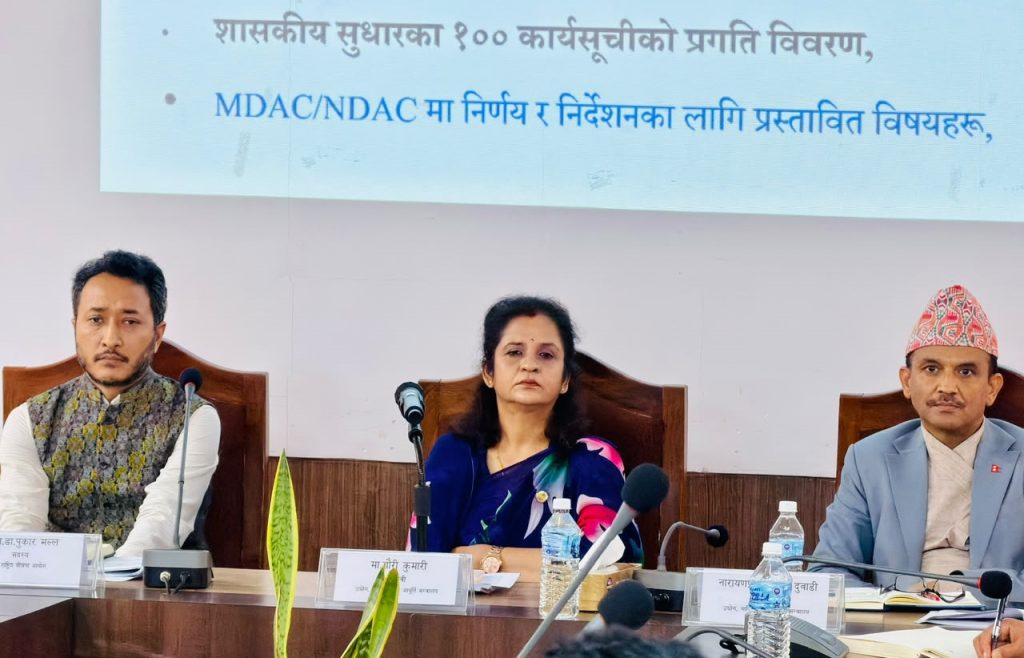
Industry, Commerce, and Supplies Minister Gauri Kumari Yadav has instructed the ministry and its subordinate bodies to prioritize and implement the programs for the current fiscal year from the outset. Speaking at the annual progress review and ministry-level development problem-solving committee meeting for the fiscal year 2082/83, Minister Yadav emphasized that all bodies must work in a results-oriented manner to achieve their targets on time. The directive aims to ensure that the government's planned activities translate into tangible outcomes throughout the year. This proactive approach is intended to avoid the common issue of projects lagging behind schedule or failing to meet their objectives by the fiscal year's end. The minister stressed the importance of efficient resource allocation and effective monitoring to guarantee the successful execution of all initiatives. The meeting served as a platform to align departmental efforts and address any potential bottlenecks that could hinder progress. The focus on a results-oriented approach signifies a commitment to enhancing the effectiveness and accountability of public sector programs.
The minister's directive emphasizes a shift towards outcome-based management for the current fiscal year's programs. This approach seeks to ensure that government initiatives deliver measurable results, moving beyond mere activity completion. Such a focus can enhance public sector efficiency by aligning resource deployment with strategic objectives and improving accountability. However, the success of this directive will depend on robust monitoring mechanisms, clear performance indicators, and the capacity of subordinate bodies to adapt to a results-driven culture. The challenge lies in translating this directive into practical, on-the-ground execution, especially within complex bureaucratic structures. Future effectiveness may hinge on fostering an environment where performance is consistently measured and rewarded, and where systemic issues hindering program delivery are proactively identified and addressed.
AI-generated to prompt reflection — not editorial opinion, not advice, not a statement of fact. How this works.