Influencer Admits Using AI for Illustrations Sold as Original Art
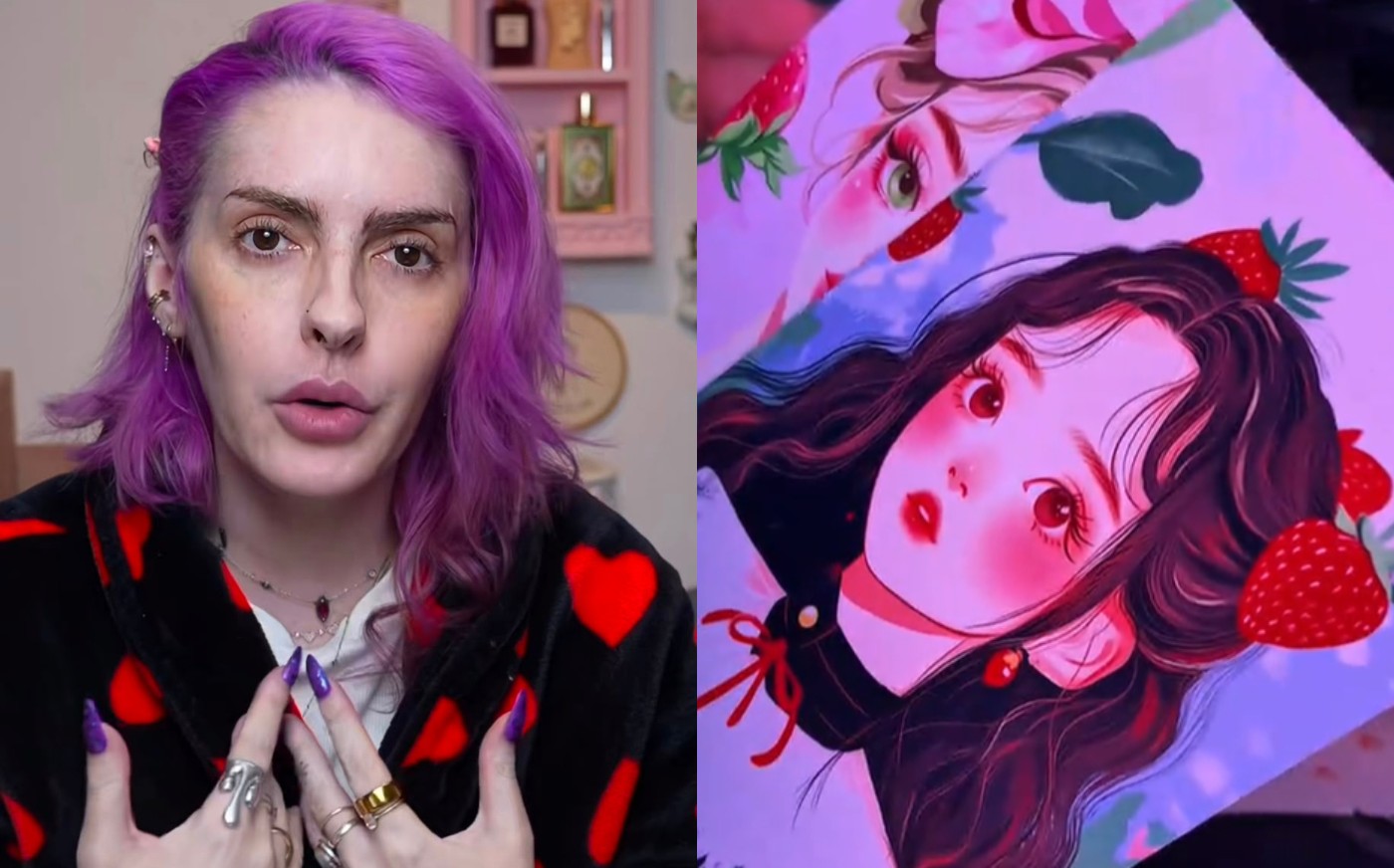
Brazilian influencer Karen Bachini has admitted to using artificial intelligence to finalize illustrations sold through her subscription service, Mail Club. Launched in June, the R$149 monthly service promised subscribers personalized stationery items, including illustrations Bachini claimed were her own original artwork. Bachini, 38, who has a significant online presence with over 2.84 million YouTube subscribers and 1.3 million Instagram followers, initially promoted the club as a creative endeavor, stating, "I love art, I live art. I've been an artist since I can remember."
However, after the first packages were delivered, artists and other content creators began questioning the originality of the drawings. They pointed out stylistic similarities to AI-generated images and differences from Bachini's known artistic style. Following widespread criticism on social media, Bachini temporarily withdrew from online platforms. She returned on Thursday, November 23rd, to confess her actions in a video, stating, "I screwed up. When I screw up, I own my problems. I did use AI, yes, to finalize my drawings. It wasn't right. It wasn't pretty. It was something very ugly. There's no excuse. I apologize to everyone."
Bachini did not specify whether the Mail Club project would continue with AI-assisted art or if any refunds would be offered to dissatisfied customers. The subscription service's website remained active with open enrollment at the time of reporting. Bachini has been active on YouTube since 2009, primarily creating beauty content and sharing aspects of her daily life.
This situation highlights the growing tension between human creativity and AI-generated content, particularly within the creator economy. The influencer's initial claims of personal artistry, followed by the admission of AI use, underscore a critical ethical challenge: transparency in the production process. Consumers purchasing goods, especially those tied to an artist's personal brand, expect authenticity. When AI is used without disclosure, it can erode trust and devalue the perceived effort and skill of human creators. Moving forward, clear labeling and disclosure policies for AI-assisted or AI-generated content will be crucial for maintaining market integrity and consumer confidence. The incident also raises questions about intellectual property and the evolving definition of 'originality' in an era where sophisticated AI tools can mimic human artistic styles.
AI-generated to prompt reflection — not editorial opinion, not advice, not a statement of fact. How this works.