Influencer Adopts Six Children, Shares Journey Beyond Love's Limits
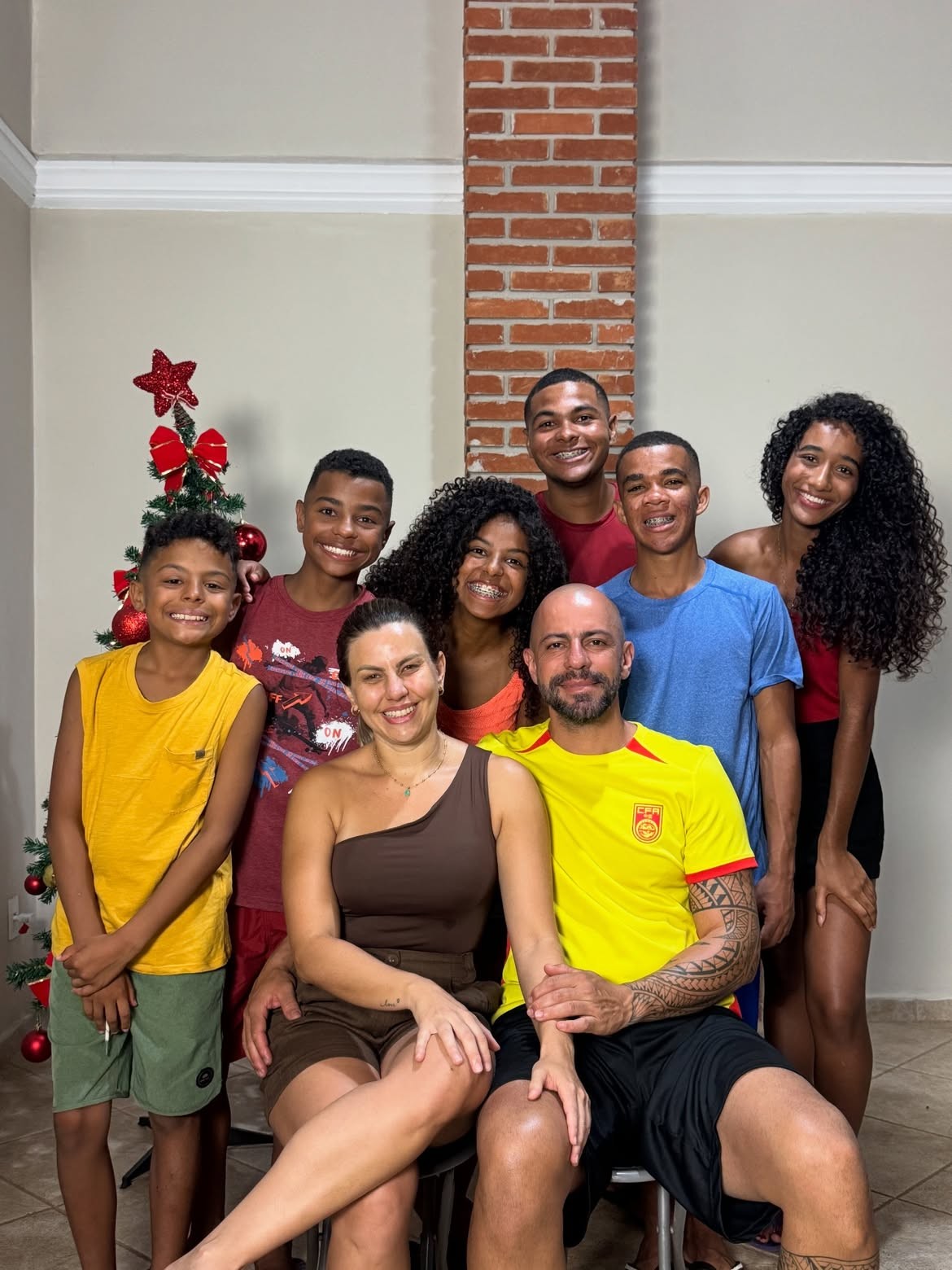
Fernanda Fabris, a 39-year-old influencer, has adopted six children, none of whom she carried herself. Her journey challenges the common misconception that adoption involves children eagerly awaiting a perfect family. Instead, Fernanda encountered significant challenges, including a three-year-old experiencing severe stress-induced episodes, a nine-year-old who initially rejected her as a mother, and a seventeen-year-old who was illiterate. Building bonds with each child required a slow, deliberate process, demonstrating that love alone is insufficient for forming a family. Fernanda's desire to adopt began in her early teens, influenced by contact with children in shelters and family adoption stories. Despite no clinical issues, her own attempts at pregnancy for 11 years were attributed to anxiety, leading to three depressive episodes and societal pressure. A doctor's mention of in vitro fertilization prompted her to realize she didn't want that path, initiating a year-and-a-half grieving process for not being able to conceive, which ultimately led her back to her original desire: adoption. She specifically sought to adopt pre-teens and teenagers, an age group often overlooked. Initially planning to adopt two children, Fernanda felt an immediate connection to a group of four siblings—aged 3, 6, 9, and 11—through the Adote um Boa Noite program. Her husband, Maurício, was hesitant about adopting four at once, but after three months of preparation, he agreed. The couple faced skepticism from the child welfare system due to their unusual request. The children's arrival brought immediate difficulties: the youngest suffered from stress-related crises, the nine-year-old expressed rejection, and the six-year-old wished to return to the shelter. Psychologist Renata Travain explains that such behavior stems from complex relational trauma due to successive ruptures in the children's lives, manifesting as survival strategies rather than defiance. This trauma affects multiple domains—behavioral, cognitive, physical, biological, and belief systems—requiring comprehensive care. Travain also notes that adoptive parents often arrive with idealizations that clash with reality, especially with older children. Fernanda later adopted Nati, then 16, through a process of establishing a bond before formal adoption, as Nati faced aging out of the shelter system at 18. Nati's initial compliant behavior masked deeper issues, which emerged after the adoption was finalized and she felt secure.
This narrative highlights the profound complexities of building family through adoption, particularly with older children who have experienced trauma. It deconstructs the romanticized notion that love is the sole requirement, emphasizing instead the necessity of sustained effort, psychological support, and validation of the children's past experiences. The story illustrates how systemic factors, such as the limited availability of support programs and the challenges of navigating child welfare systems, can impact adoptive families. Furthermore, it implicitly critiques societal pressures on individuals regarding biological parenthood, suggesting that alternative paths to family formation are equally valid yet often more demanding. Looking ahead, understanding and addressing complex trauma in children will be crucial for social services and adoptive families, requiring innovative therapeutic approaches and robust community support structures to foster secure attachment and well-being in the digital age.
AI-generated to prompt reflection — not editorial opinion, not advice, not a statement of fact. How this works.
