Influencer Alexandra Gurgel Leaves Body Positive Movement, Cites Exhaustion and Personal Goals
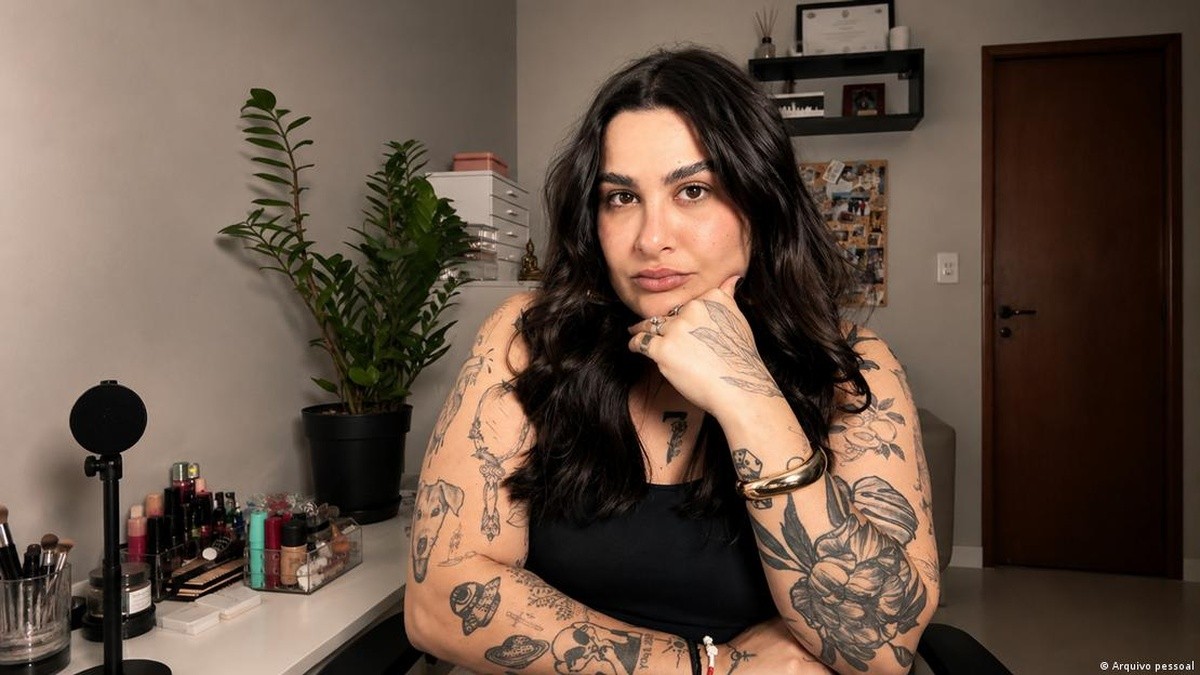
Alexandra Gurgel, a prominent 37-year-old journalist and influencer, has stepped away from the body positive movement in Brazil, a cause she championed for years. Gurgel, who founded "Corpo Livre" (Free Body), a Brazilian iteration of the movement, gained significant traction by openly discussing her experiences as a plus-size individual and advocating against fatphobia. She authored books, graced magazine covers, and delivered numerous talks, becoming a leading voice for body acceptance. However, Gurgel explains that the intense pressure to be a "perfect activist" who could not err became overwhelming. She felt compelled to conform to an image that didn't always align with her personal life, such as hiding her smoking habit because it was perceived as contradictory to the movement's ideals. The constant need to represent others and the financial incentives, including luxury brand endorsements and event invitations like the Vogue Ball, ultimately led to a sense of exhaustion and a desire for personal freedom. Gurgel has now shifted her online content to focus on relationships and is embarking on a weight loss journey, feeling more secure to do so due to advancements in weight-loss medications. She acknowledges that her past stance on obesity not being a disease was a misinterpretation, now recognizing it as a complex issue she wishes she had articulated differently. Gurgel also addresses criticisms that activists profited from the movement, stating it was their livelihood and that many in the activism space have faced financial difficulties as funding for diversity initiatives has decreased.
The departure of Alexandra Gurgel from the body positive movement highlights the inherent challenges of translating activist ideals into sustainable personal and public platforms. The intense scrutiny and demand for unwavering adherence to a singular message can create an unsustainable burden for individuals, potentially leading to burnout and a divergence from personal well-being. This situation underscores a broader dynamic where public advocacy, especially when intertwined with commercial opportunities, faces a delicate balance between authentic representation and the pressures of maintaining a public persona. As societal discourse evolves, particularly with technological advancements influencing health and wellness, individuals may re-evaluate their personal journeys, seeking a more nuanced approach to self-acceptance and health that accommodates individual choice and evolving scientific understanding. The economic shifts in corporate funding for diversity initiatives also suggest a need for more resilient models of support for social movements.
AI-generated to prompt reflection — not editorial opinion, not advice, not a statement of fact. How this works.