Influencer Arrested for Allegedly Ordering Hit-and-Run Attack on Wrong Victim
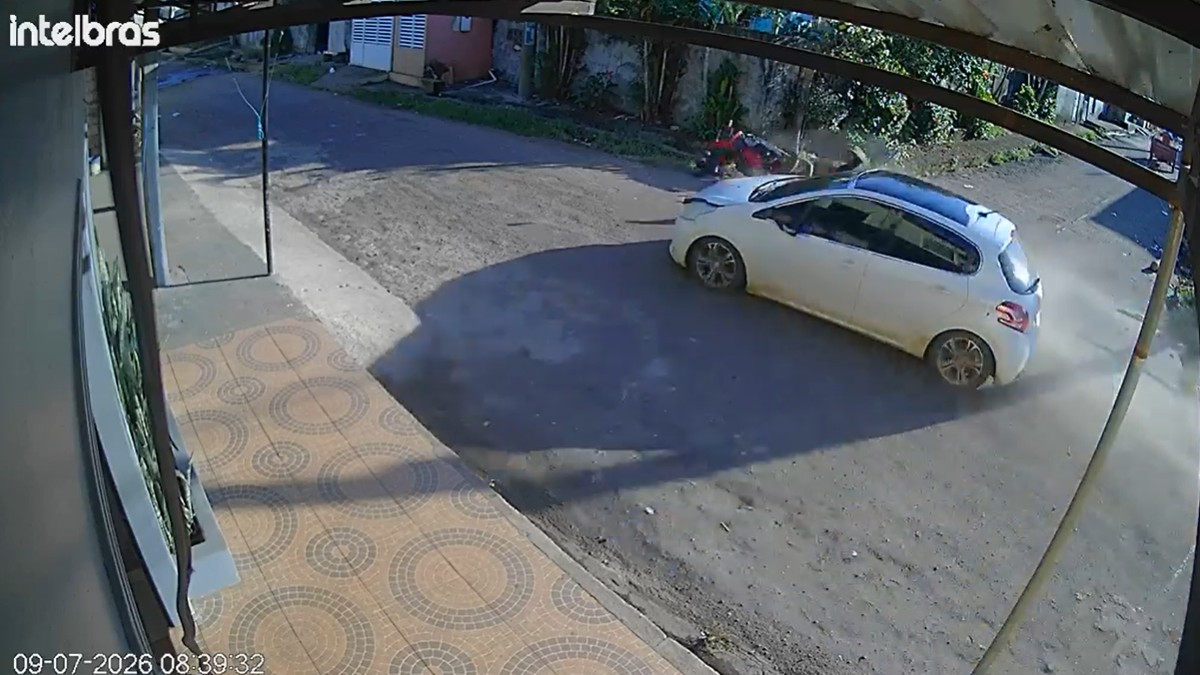
Airton Simões da Rocha Filho, an influencer, was arrested on Thursday, May 10th, in Manacapuru, Amazonas, Brazil. He is suspected of ordering a hit-and-run attack that injured photographer Júnior Barreto. Police believe Barreto was mistakenly targeted due to a prior dispute involving the influencer. Security footage captured a car deliberately striking Barreto's motorcycle on Rua E in the Liberdade neighborhood, after which the driver fled the scene without providing aid. Initially considered a traffic accident, the investigation, including image analysis, led the Civil Police to determine the incident was intentional. According to delegate Rodrigo Monfroni, investigations suggest Rocha Filho instructed his brother to locate and kill a man with whom he had a disagreement. The brother allegedly mistook Barreto for the intended target, as both were riding red motorcycles. Barreto, though injured, managed to seek help from local residents and is currently recovering after receiving medical attention. Rocha Filho denies ordering the crime and remains in custody. His brother, identified by police as the driver, is still at large and being sought by authorities. The Civil Police continue to investigate the case.
This incident highlights the potential for personal disputes, amplified by social media influence, to escalate into severe criminal acts. The alleged misidentification of the victim underscores the critical importance of precise intelligence and execution in any planned action, regardless of motive. The case also raises questions about accountability within familial networks when illicit instructions are given and carried out. Moving forward, understanding the dynamics that lead individuals to resort to such violence, and the role of digital personas in potentially facilitating or exacerbating these conflicts, will be crucial for public safety initiatives. The legal process will now focus on establishing intent and culpability for all parties involved.
AI-generated to prompt reflection — not editorial opinion, not advice, not a statement of fact. How this works.