Influencer Couple Arrested in Brazil for Allegedly Promoting Illegal Gambling and Money Laundering
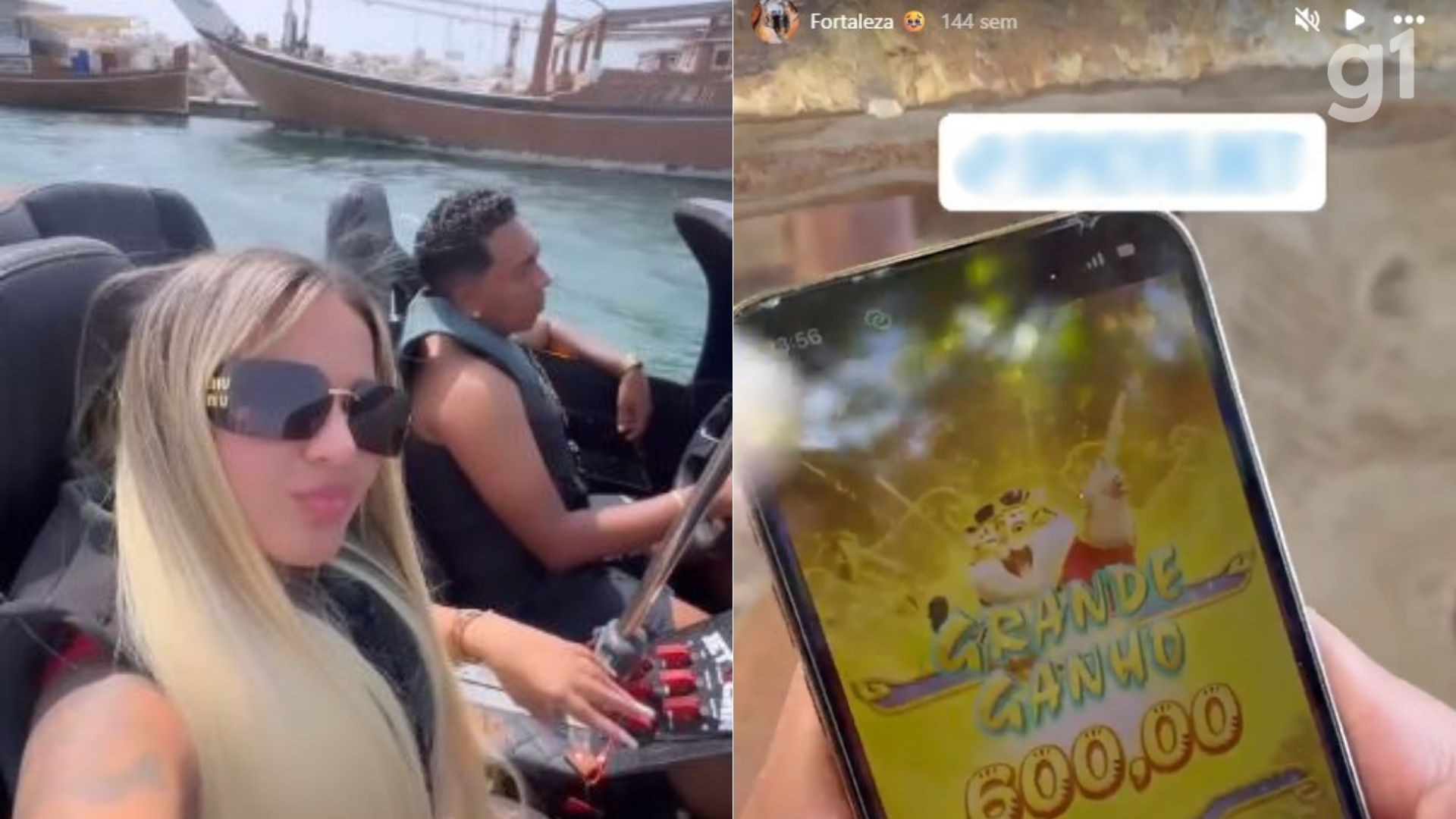
Civil Police in Maranhão, Brazil, have arrested digital influencers Ana Carolina Costa Lopes and Thalison Marcio Mendes Lopes as part of Operation Última Rodada. The couple is suspected of promoting illegal gambling platforms and laundering money generated from these activities in São Luís. Investigations reveal that the couple moved over R$ 12.5 million in a short period. The operation included the execution of arrest and search warrants, vehicle seizure, and the blocking of assets and funds belonging to the suspects. Authorities noted that the couple, who were reportedly beneficiaries of a federal social program until recently, began exhibiting financial activity inconsistent with their declared income after engaging in the gambling operations. Ana Carolina is alleged to have been responsible for promoting the illegal platforms on social media, while Thalison managed the illicit funds. She is also accused of participating in money laundering by making cash withdrawals totaling R$ 950,000. Evidence suggests the use of shell companies and straw purchasers to conceal illicit funds. The investigation also uncovered links between the couple, representatives of the clandestine platforms, and recruiters of influencers for illegal gambling promotion. The activities may also constitute crimes against consumer relations. A court ordered the preventive arrests, search of the couple's property, vehicle seizure, and financial asset freeze up to the amount of R$ 12,514,283. Investigations are ongoing to identify other members of the criminal organization.
This operation highlights the evolving challenges in regulating digital content and financial flows, particularly concerning online gambling and influencer marketing. The rapid accumulation of wealth by individuals previously reliant on social assistance, coupled with sophisticated methods like shell companies and 'laranjas' (straw purchasers), points to significant vulnerabilities in oversight mechanisms. Future regulatory frameworks may need to address the intersection of social media influence, cryptocurrency or rapid digital payment systems, and the potential for illicit financial activities. Examining the incentive structures that drive influencers to promote unregulated or illegal services, and the effectiveness of current anti-money laundering protocols in the digital age, will be crucial for safeguarding consumers and financial integrity.
AI-generated to prompt reflection — not editorial opinion, not advice, not a statement of fact. How this works.