Influencer Criticizing BTS Launches Course on 'Dangers of Feminism' and 'Art of Cleaning'
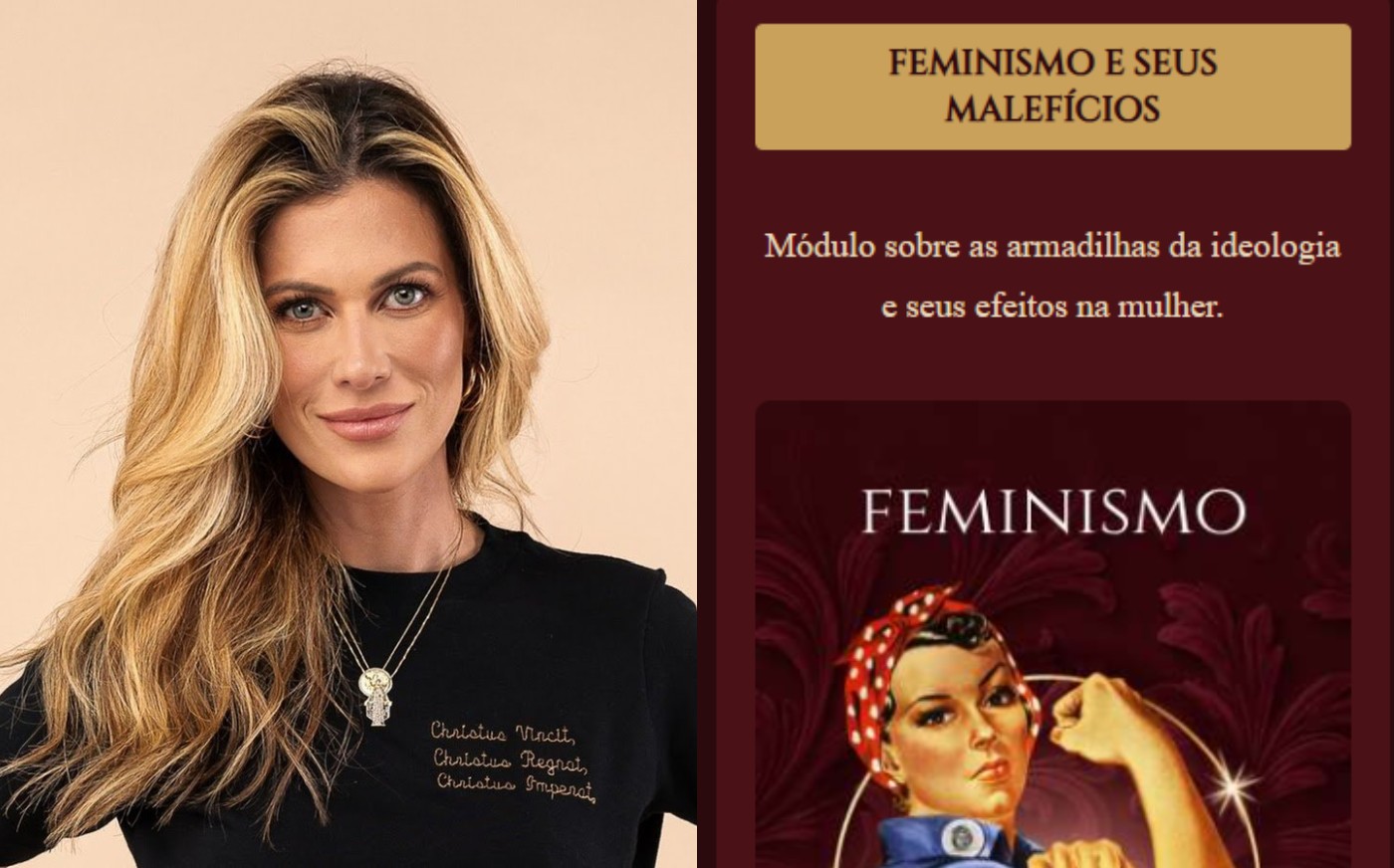
Pietra Bertolazzi, an influencer who recently faced backlash for her comments about the South Korean group BTS, is now offering a course for Christian women titled 'Challenge of the 3 Pillars.' The program, priced at R$ 497, is open for enrollment and features modules on 'the harms of feminism' and 'the art of cleaning.' Bertolazzi, who presents herself as an 'educator,' claims to articulate views that many think but hesitate to express regarding modern values. The course's website describes the feminism module as exploring 'the traps of ideology and its effects on women.' The 'art of cleaning' module focuses on home organization and care. The 12-day program draws inspiration from biblical apostles, with each day dedicated to a different figure. This controversy follows Bertolazzi's public criticism of BTS during the World Cup final halftime show, where she described the members as 'effeminate' and expressed shame, leading fans to accuse her of homophobia. In response to the backlash, her personal information, including identification numbers and address, was reportedly leaked online. Bertolazzi also commented on the fan reaction, calling the fandom a 'sewer' and stating the response was worse than criticizing a political party. She subsequently restricted her Instagram profile access and announced a temporary break from social media.
The controversy surrounding Pietra Bertolazzi highlights the intersection of online influence, cultural commentary, and the commodification of ideological stances. Bertolazzi's course, which critiques feminism and promotes traditional domestic roles, appears to capitalize on a segment of the audience seeking alternative viewpoints to mainstream social narratives. The rapid escalation from criticism of a K-pop group to accusations of homophobia, followed by alleged doxing and a subsequent social media hiatus, illustrates the volatile dynamics of digital public discourse. This event underscores how cultural figures can leverage controversy to drive engagement and monetize their platforms, potentially reinforcing existing societal divisions rather than fostering constructive dialogue. Future trends in AI-driven content creation and personalized online communities may further segment audiences and amplify such ideologically charged offerings.
AI-generated to prompt reflection — not editorial opinion, not advice, not a statement of fact. How this works.