Influencer Faces Scrutiny for Dangerous Driving Stunts on Brazilian Highway
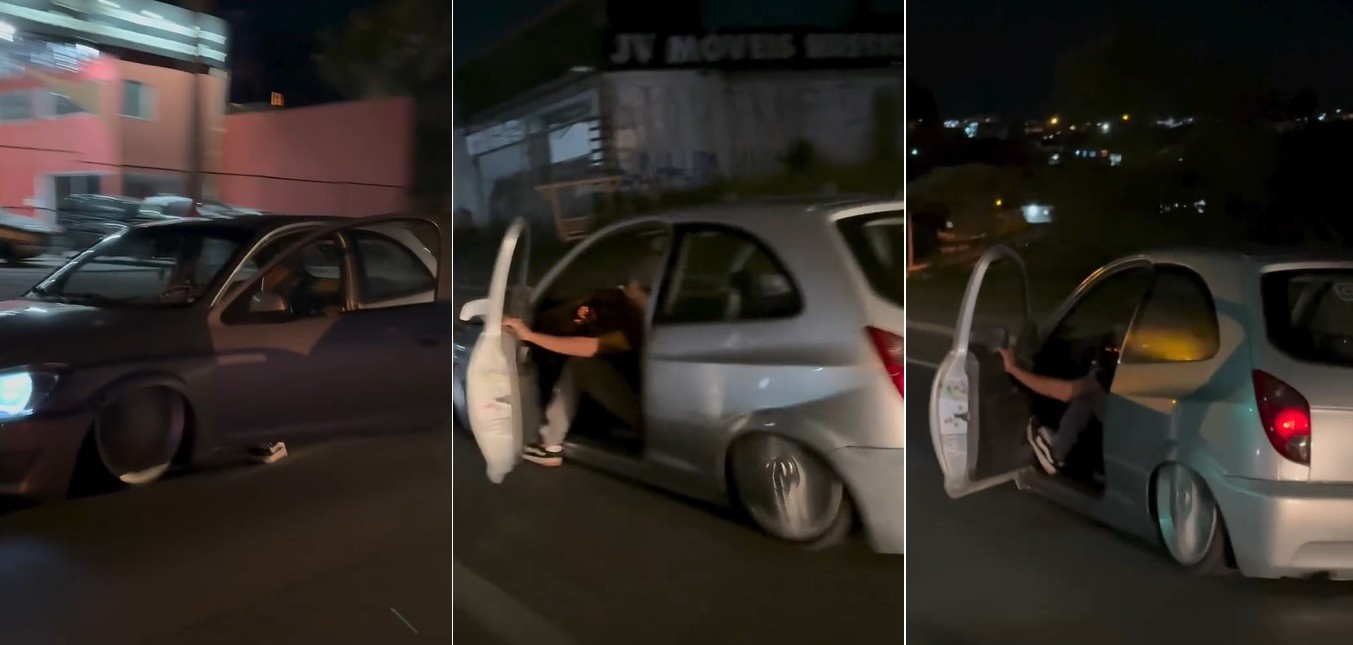
Videos have emerged showing digital influencer Gabriel Menezes, known online as "@gabriellowworld" to his over 50,000 followers, performing dangerous and illegal driving maneuvers on the Raposo Tavares highway in Mairinque, São Paulo, Brazil. The footage, which has since been deleted, depicts Menezes engaging in several traffic violations. These include driving with the car door open and his feet near the ground, operating a vehicle with his arm out the window while holding a phone, riding in the bed of a moving pickup truck, and driving with a damaged car whose bumper was dragging on the asphalt. Menezes claims the videos are old and that he no longer owns the vehicles involved. He also stated that the highway was closed for maintenance or an event during the recordings, asserting that no traffic laws were broken and no one was endangered. He initially denied committing infractions, suggesting the scenes were filmed during an authorized event by the Araçariguama City Hall. However, in a subsequent video, Menezes apologized for his actions, admitting that social initiatives do not justify filming stunts on public roads. A road safety expert, Renato Campestrini, analyzed the footage, noting that such behavior is increasingly common and often driven by incentives for online engagement. Campestrini highlighted that these infractions range from minor to extremely serious, posing significant risks to the driver and other road users. He detailed potential penalties, including points on his license, fines ranging from R$88.38 to R$293.47 per infraction, and even a tenfold fine with license suspension and vehicle seizure for dangerous maneuvers. The concessionaire managing the Raposo Tavares highway, Motiva Sorocabana, stated they had not authorized any filming and were unaware of the recordings, emphasizing that state highways require prior authorization for any events.
The incident highlights the potent influence of social media in shaping behavior, particularly among young demographics, and the potential for online engagement incentives to override safety considerations. The influencer's actions, while presented as stunts, represent a disregard for traffic laws and public safety, potentially normalizing dangerous driving for impressionable audiences. The expert's commentary points to a systemic issue where content creators may prioritize viral visibility over legal compliance and the well-being of themselves and others. The concessionaire's denial of authorization underscores a potential gap in oversight or communication regarding activities on managed roadways. Looking ahead, the proliferation of such content raises questions about regulatory frameworks and platform accountability in mitigating the amplification of risky behaviors, especially as advanced driver-assistance systems and autonomous driving technologies evolve, demanding a heightened societal awareness of responsible vehicle operation.
AI-generated to prompt reflection — not editorial opinion, not advice, not a statement of fact. How this works.
