Influencer Hospitalized After Plant Sap Enters Eyes, Describing It as 'Like Caustic Soda'
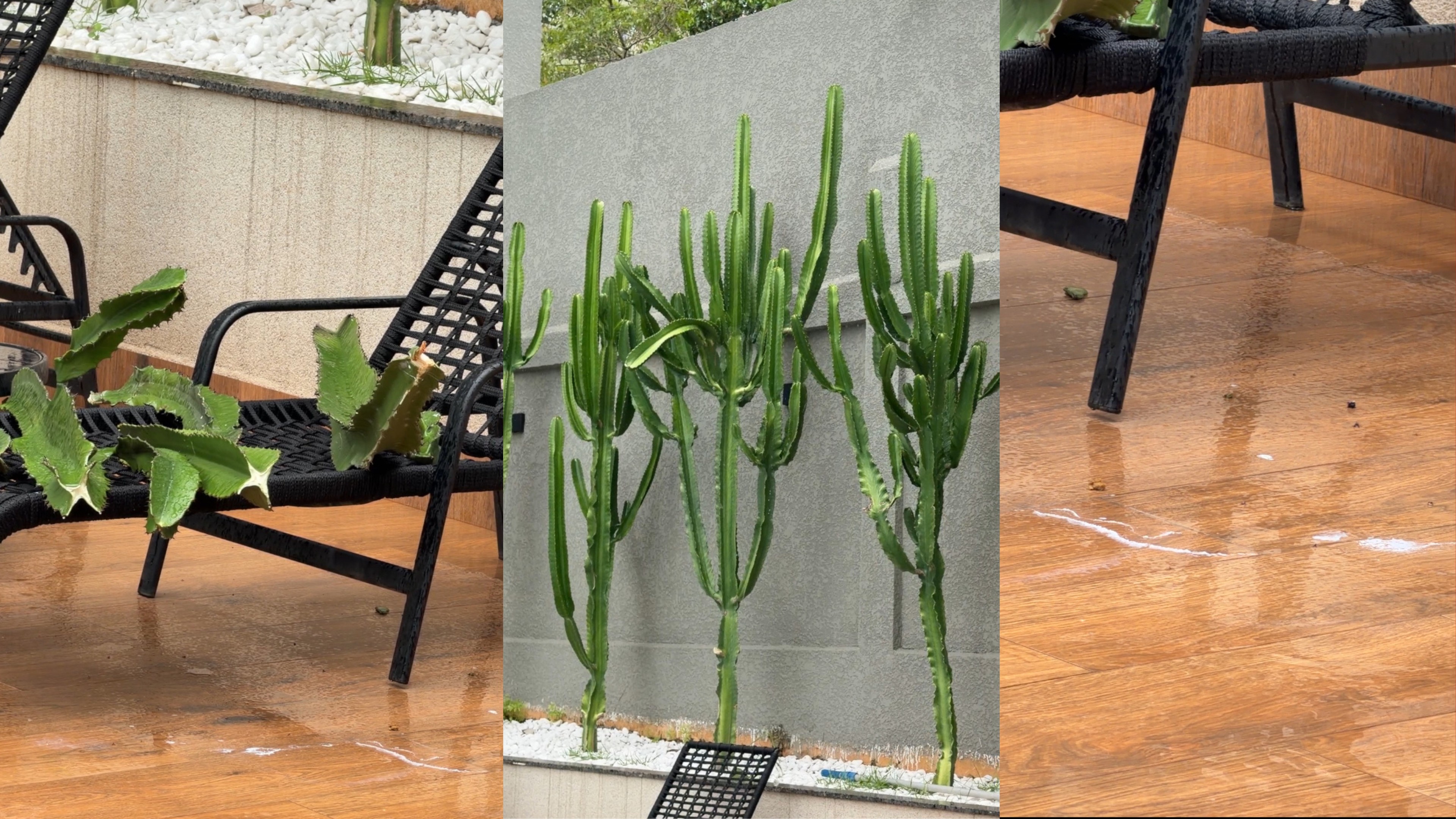
Influencer Thais Reolon was hospitalized after accidentally getting the milky latex sap from a plant, commonly known as the "candelabra cactus," into her eyes. The accident occurred while she was cutting a branch of the plant. Approximately one hour after handling the plant and washing her knife and hands, Reolon began experiencing severe eye irritation and swelling. She reported intense pain and inability to open her eyes, leading her to seek emergency medical care. The sap also affected her skin, which she described as feeling like a chemical burn, comparing the sensation to having caustic soda thrown into her eyes. She spent the night in the hospital, receiving local anesthesia and treatment from an ophthalmologist. Reolon was diagnosed with a lesion in her eye that will require a prolonged course of medication, including eye drops, for healing.
Dr. Osvanda Silva de Moura, a botany professor at the Federal University of Rondônia, clarified that the "candelabra cactus" is not a true cactus but a species of the Euphorbia family. These plants are characterized by a highly toxic, white, milky latex that can cause severe skin burns, poisoning, and even blindness. Dr. Moura advises handling these plants with rubber gloves and protective eyewear to prevent sap contact. Thorough washing of hands, arms, and tools with soap and water after contact is also recommended. The sap can cause skin irritation, redness, dermatitis, and chemical burns, while eye contact can lead to severe conjunctivitis and corneal damage. Ingestion can result in nausea, vomiting, diarrhea, and gastrointestinal distress. True cacti, while not toxic, can pose risks due to their spines.
This incident highlights the critical importance of accurate plant identification and safety protocols when handling unknown flora. The influencer's experience underscores the potential dangers of toxic plant saps, which can cause severe harm, even when handled with basic precautions like washing hands. The confusion between the common name 'candelabra cactus' and the plant's actual botanical classification (Euphorbia) points to a broader public awareness gap regarding hazardous plants. Future public education campaigns could focus on visually distinguishing toxic Euphorbias from harmless succulents, emphasizing the use of personal protective equipment and immediate decontamination procedures. This proactive approach can mitigate risks in domestic and horticultural settings, preventing similar painful and potentially sight-threatening accidents.
AI-generated to prompt reflection — not editorial opinion, not advice, not a statement of fact. How this works.