Influencer 'Menino da Lei' Defense Argues Lack of Proof in Damages Case
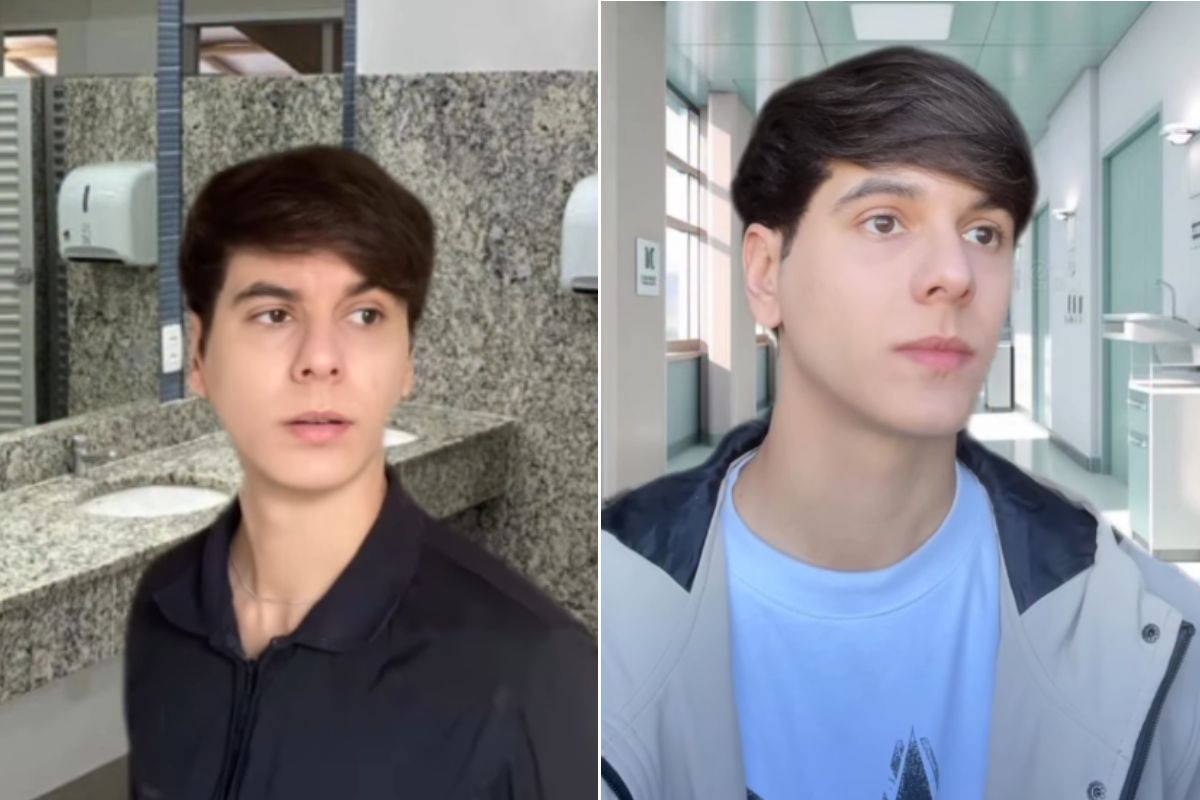
The defense for Gabriel Piccolo, known online as 'Menino da Lei,' is contesting his R$30,000 fine for allegedly damaging the reputation of a real estate agency owner in Praia Grande, São Paulo. Piccolo, who has over 3 million followers and no legal background, was ordered to pay after posting a video where he parked in the agency's lot and questioned its private use, claiming it was public space. The São Paulo Court of Justice (TJ-SP) ruled that his freedom of expression was exceeded by exposing the business in a denunciatory tone. The defense argues that the agency owner failed to prove concrete damages or reputational harm resulting from the video. They contend that the widespread views of the content do not automatically equate to compensable harm and that the business was not explicitly identified in the video. Furthermore, Piccolo's legal team asserts he should not be held responsible for negative comments made by other users. The defense also claims the media's subsequent coverage, rather than just Piccolo's video, amplified the issue. The agency owner had initially sought R$80,000, but a lower court dismissed the claim, stating the business wasn't directly identified. The TJ-SP overturned this, finding Piccolo's actions went beyond freedom of expression without sufficient fact-checking. The court acknowledged that while the business wasn't named, online users identified it through the video's visuals. The R$30,000 fine is split between the business and its owner. The court denied requests for a public retraction or a ban on future statements by Piccolo on the subject.
This case highlights the complex intersection of social media influence, freedom of expression, and corporate reputation. The defense's argument centers on the burden of proof for damages, suggesting that mere online visibility does not automatically translate to quantifiable harm. This raises questions about how digital reach and public commentary should be legally assessed in defamation and reputational damage claims. The court's decision, while fining the influencer, also acknowledges the potential for widespread dissemination to cause harm even without explicit identification, pointing to the power of context and community recognition online. Moving forward, platforms and creators will need clearer frameworks for verifying information before public dissemination, and legal systems will continue to grapple with establishing causality and quantifying damages in the digital age, particularly as AI-generated content and rapid information spread become more prevalent.
AI-generated to prompt reflection — not editorial opinion, not advice, not a statement of fact. How this works.