Influencer 'Menino da Lei' fined $30k for misinterpreting parking law in viral video
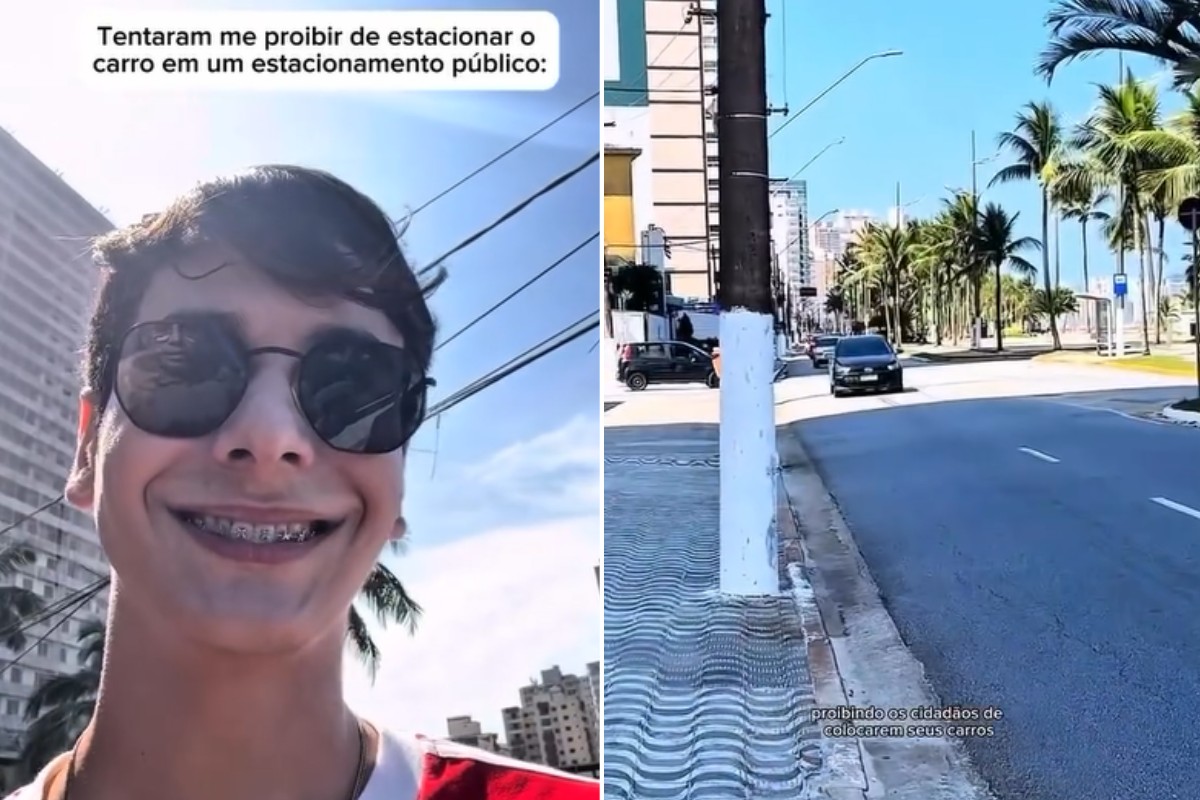
Brazilian influencer Gabriel Piccolo, known online as 'Menino da Lei,' has been ordered to pay R$30,000 (approximately $5,500 USD) for misinterpreting and publicly exposing a dispute over a parking spot with a real estate agency. Piccolo, who has over 3 million followers and shares videos explaining laws despite lacking a formal legal education, was found by the São Paulo Court of Justice (TJ-SP) to have exceeded the limits of free expression. The court ruled that his video, which suggested the agency was illegally appropriating public space, was identifiable and presented as a public denunciation to a large audience. The case has sparked debate about whether individuals without law degrees can discuss legal matters on social media. Legal experts state that while there is no prohibition against educational content on law by non-lawyers, creators must respect third-party rights and avoid defamation. The ruling emphasized that digital platforms are not exempt from legal norms protecting reputation, honor, and privacy. The court acknowledged that while the agency was not explicitly named, it was identifiable through the video's imagery. The initial lawsuit sought R$80,000 for moral damages, but the TJ-SP reduced it to R$30,000, to be split between the agency and its owner. The court rejected requests for a public retraction or a general ban on Piccolo's future commentary on legal topics.
This case highlights the evolving intersection of social media influence, public discourse, and legal accountability. While digital platforms democratize information dissemination, they do not suspend fundamental principles of civil liability. The ruling underscores that the reach of online content amplifies the creator's duty of care, particularly when addressing potentially contentious issues. The decision implies a need for content creators, regardless of their formal expertise, to exercise diligence in fact-checking and to distinguish between factual reporting and opinion, especially when their statements could impact individuals or businesses. Future content moderation policies and platform terms of service may need to address the potential for widespread reputational harm stemming from misinterpretations of complex regulations, balancing free expression with the protection of civil rights in the digital age.
AI-generated to prompt reflection — not editorial opinion, not advice, not a statement of fact. How this works.