Influencer 'Menino da Lei' fined R$30,000 for misinterpreting law in public dispute
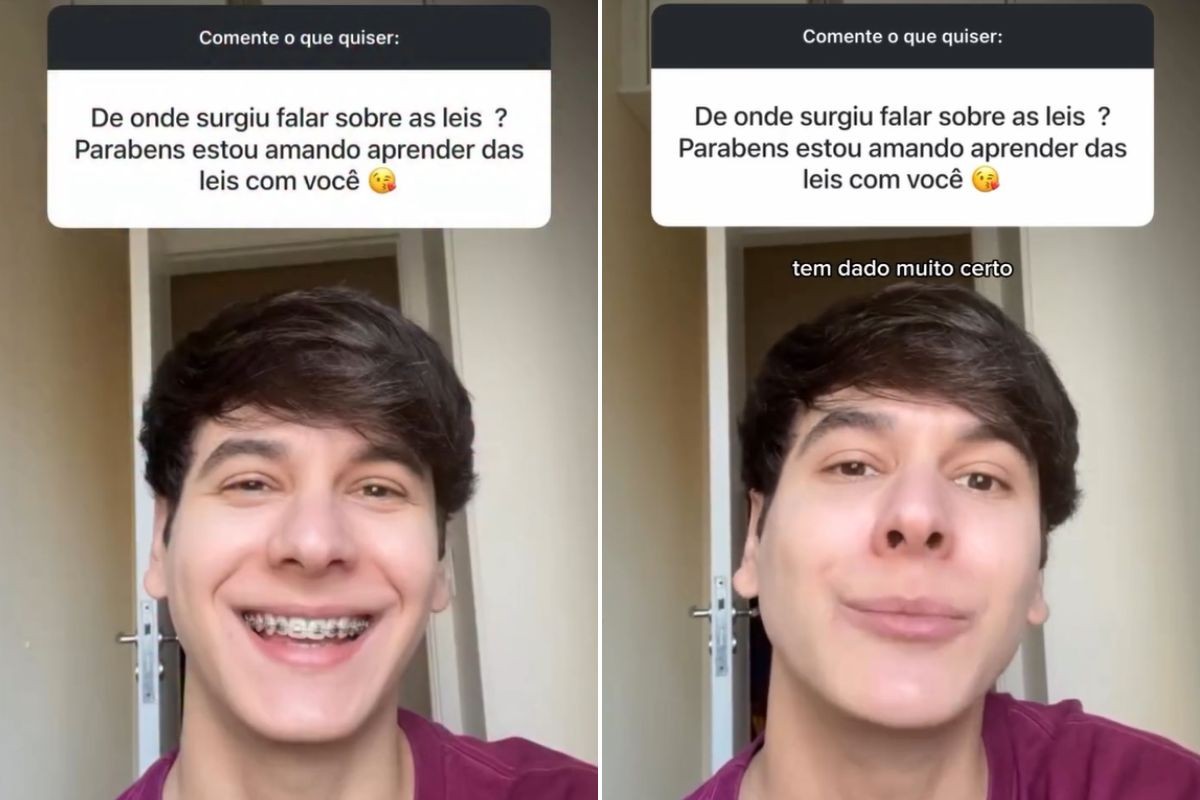
Gabriel Piccolo, a 25-year-old influencer known as 'Menino da Lei' (Law Boy), has been ordered by the São Paulo Court of Justice (TJ-SP) to pay R$30,000 in damages. The ruling stems from a video Piccolo posted where he argued with a businessman over a private parking space, which the court found to be a misinterpretation of the law and an overreach of his freedom of expression. Piccolo, who resides in Praia Grande, SP, has amassed over 3 million followers on social media by explaining laws, despite lacking formal legal training. He stated that his online presence began after a negative experience at a restaurant where he refused to pay the customary 10% service charge, which he learned was not mandatory. This incident led him to start sharing legal information online to help others understand their rights. The current conviction, however, is related to a separate incident involving a dispute over parking. The court determined that while the business was not explicitly named, it was identifiable through the video's imagery, leading to reputational damage. The TJ-SP acknowledged that Piccolo's videos were presented in a manner suggesting public denunciation to a large audience. The court rejected requests for a public retraction or a general ban on future commentary by the influencer on similar topics. Piccolo's defense team has not yet responded to requests for comment, and an appeal is still possible.
This case highlights the complex interplay between social media influence, freedom of expression, and legal accountability. The court's decision to penalize the influencer for misinterpreting and misrepresenting legal matters, even without malicious intent, underscores the responsibility that comes with a large online following. It raises questions about the due diligence required before disseminating information that could impact individuals or businesses, particularly when presented as factual legal interpretation. The ruling may encourage content creators to adopt more rigorous fact-checking processes and consult legal professionals before publishing potentially contentious material, thereby fostering a more informed and less litigious online environment. Future legal frameworks may need to address the amplification effect of social media on potentially inaccurate information.
AI-generated to prompt reflection — not editorial opinion, not advice, not a statement of fact. How this works.