Influencer 'Menino da Lei' Fined R$30,000 for Misinterpreting Parking Laws
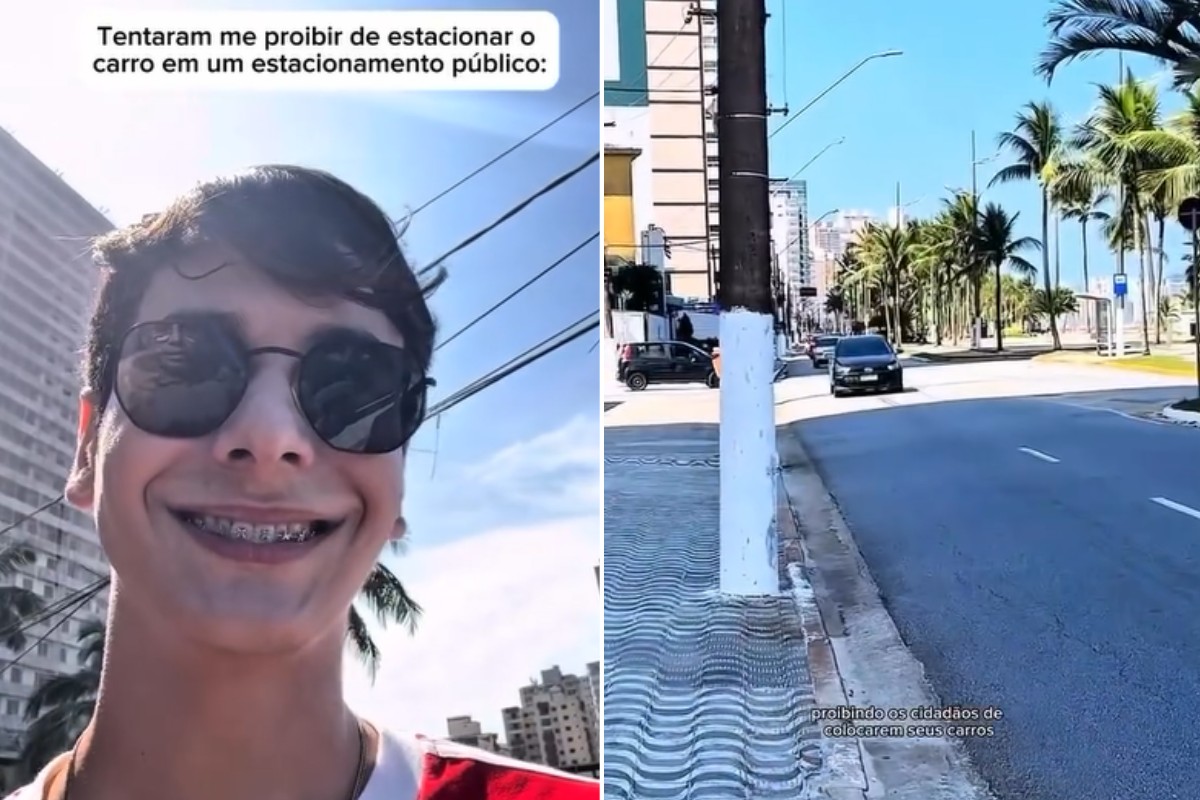
Social media influencer Gabriel Piccolo, known as 'Menino da Lei', has been ordered to pay R$30,000 to a real estate agency owner in Praia Grande, São Paulo. Piccolo was condemned by the São Paulo Court of Justice (TJ-SP) after publishing a video where he argued with the business owner over a parking space. The court found that Piccolo, who lacks a law degree, misinterpreted traffic laws and exceeded his freedom of expression by publicly exposing the business. The incident occurred when Piccolo alleged the space was public and that a lowered curb was irregular, encouraging viewers to film similar situations. However, the business's defense proved the area was not a public thoroughfare and that their operations complied with the National Traffic Council (Contran) regulations. An expert lawyer clarified that private property setbacks, even if open, remain private and cannot be used freely by the public. A lowered curb merely facilitates vehicle access to private property and does not convert it into public space. The Brazilian Traffic Code defines public roads as the roadway, sidewalk, shoulder, island, and central reservation, excluding private property setbacks. The owner of the real estate agency initially sought R$80,000 in damages, but the TJ-SP reduced the amount to R$30,000, split between the business and its owner. The court rejected requests for a public retraction or a general ban on the influencer's future commentary on the topic. Piccolo, who boasts over 3 million followers, disseminates legal content across various domains despite his lack of formal legal training.
This case highlights the legal and ethical complexities surrounding user-generated content and the interpretation of public versus private space. The influencer's actions, while perhaps intended to inform or advocate for citizen rights, led to a legal penalty for misrepresenting property rights and potentially damaging a business's reputation. The court's decision underscores the importance of accurate legal interpretation, especially when disseminated to a large audience, and differentiates between public discourse and actionable defamation or trespass. Future content creators must exercise due diligence in verifying information and understanding property rights to avoid similar legal repercussions. This situation also points to the evolving challenges in regulating online speech and its real-world impact on individuals and businesses.
AI-generated to prompt reflection — not editorial opinion, not advice, not a statement of fact. How this works.