Influencer 'Menino da Lei' Ordered to Pay $30,000 After Parking Dispute Video
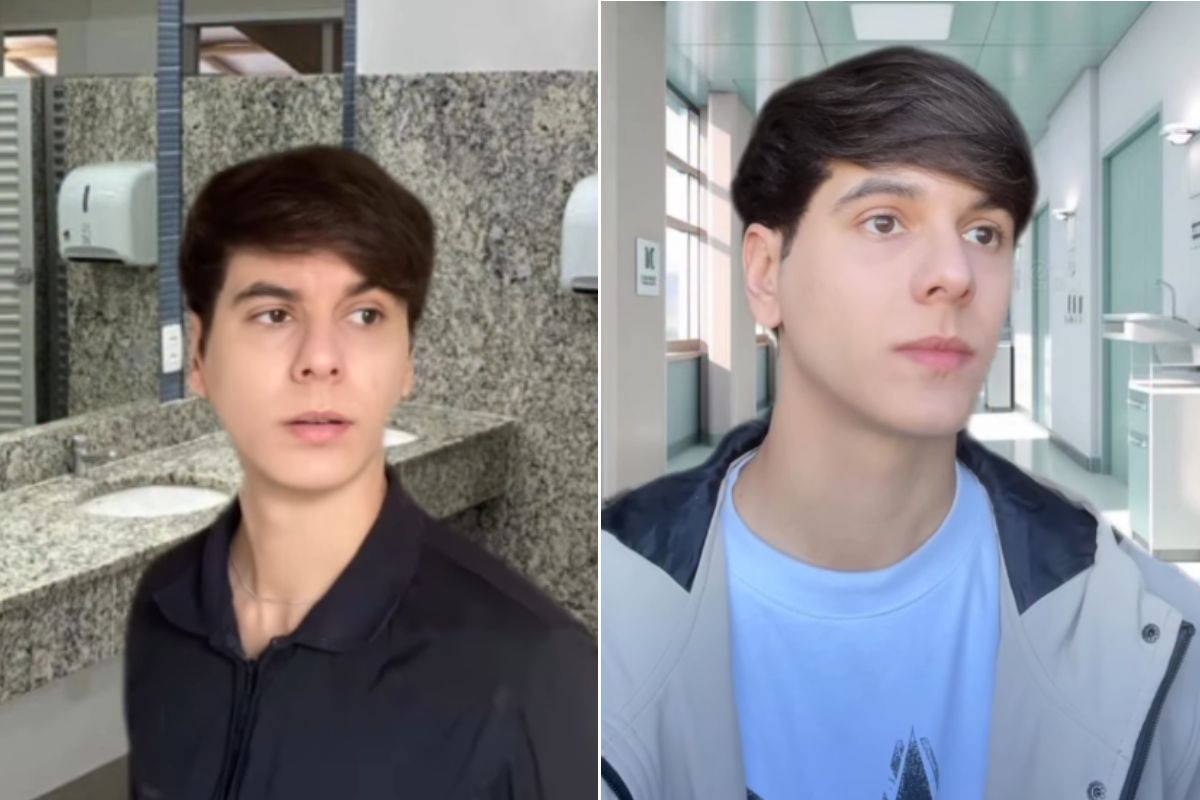
Gabriel Piccolo, a 25-year-old influencer known online as 'Menino da Lei,' has been ordered by the São Paulo Court of Justice (TJ-SP) to pay R$ 30,000 in damages. Piccolo, who resides in Praia Grande, São Paulo, gained popularity for explaining laws to his over 3 million social media followers, despite lacking formal legal training. The case stems from a video Piccolo posted after a dispute with a businessman over a private parking space outside a real estate agency. The TJ-SP ruled that Piccolo misinterpreted the law and exceeded his freedom of expression by presenting unverified information. The court found that although the agency was not explicitly named, it was identifiable through the video's imagery, leading to potential reputational damage. The court acknowledged that the agency was located in an area where public parking was not permitted, but stated Piccolo's public denunciation format, seen by millions, went beyond a simple query. The court rejected requests for a public retraction or a general prohibition on future commentary by the influencer. Piccolo previously worked in sales before becoming an online personality. His defense team has not yet responded to requests for comment, and an appeal is still possible.
This case highlights the growing tension between online content creation and legal accountability, particularly for influencers who disseminate information without formal expertise. The ruling suggests that while individuals may not need a law degree to discuss legal matters, the manner and context of their public pronouncements can incur liability if they are factually inaccurate or demonstrably harmful. The court's decision balances freedom of expression with the protection of reputation and the potential for widespread misinformation. Future legal frameworks may need to address the unique challenges posed by social media influencers who operate at the intersection of public opinion and factual reporting, considering the amplification effect of their platforms and the potential for rapid damage to individuals and businesses.
AI-generated to prompt reflection — not editorial opinion, not advice, not a statement of fact. How this works.