Influencer 'Menino da Lei' ordered to pay $30,000 after parking dispute video
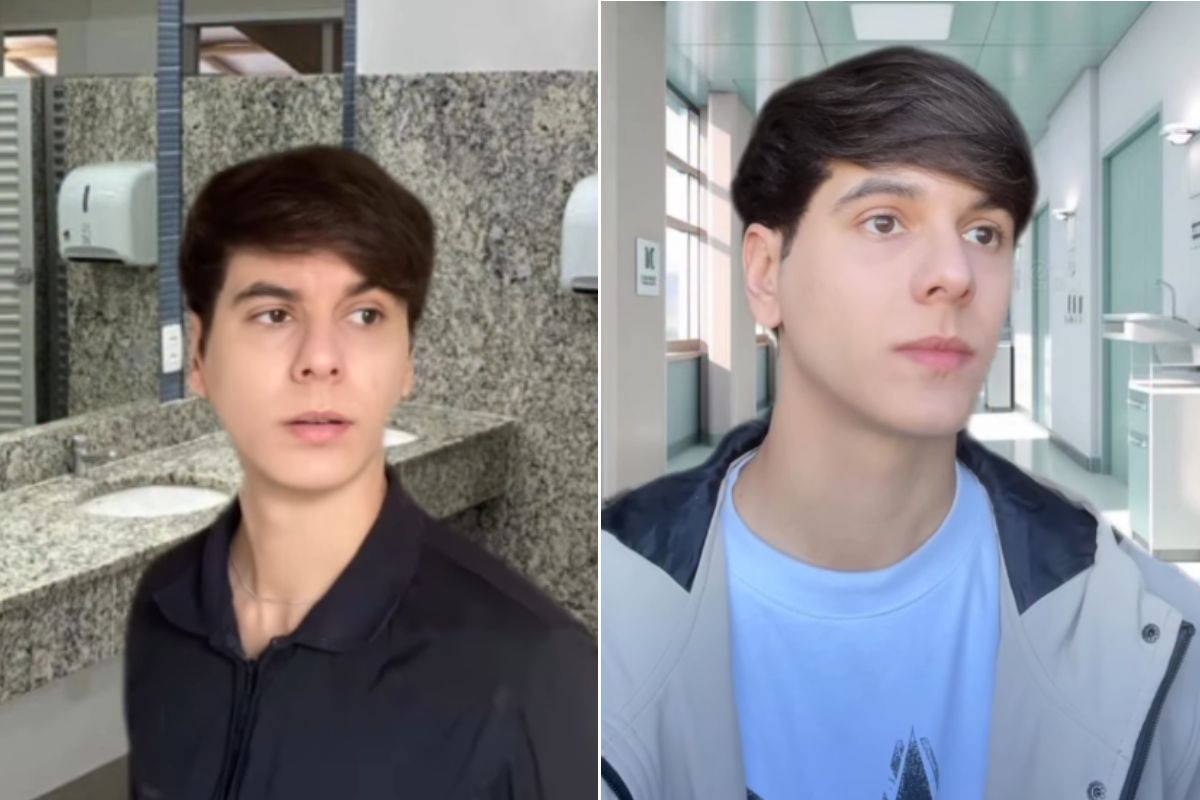
Gabriel Piccolo, a Brazilian social media influencer known as 'Menino da Lei' with over 3 million followers, has been ordered by the São Paulo Court of Justice (TJ-SP) to pay R$30,000 in damages to a real estate agency owner. The ruling stems from a video Piccolo posted showing a dispute with the agency owner over a parking space in Praia Grande, São Paulo. The court found that Piccolo misinterpreted the law and exceeded his freedom of expression by exposing the company. Piccolo, who will turn 26 on Monday, gained popularity by explaining laws he deemed 'unknown' to the public, despite not having a formal legal education. He previously worked in sales before his online career. The incident occurred when Piccolo parked his car in the agency's lot and began recording after being asked to move. He argued the space was public, citing an improperly lowered curb. The agency's defense countered that parking was prohibited in that section of the street and that no public space was being appropriated. Initially, a lower court dismissed the agency owner's R$80,000 damages claim, stating the business wasn't directly identified. However, the TJ-SP overturned this decision, ruling that Piccolo lacked 'minimal responsibility' in exposing the situation. The appellate court determined that while the company wasn't named, it was identifiable through the video's imagery, and Piccolo's public denunciation format, aimed at millions, went beyond a simple expression of legal interpretation. The R$30,000 compensation will be split between the agency and its owner. The court did not order a public retraction or prohibit future commentary on the topic.
This case highlights the evolving legal landscape surrounding social media influence and freedom of expression. While influencers can leverage their platforms to inform the public, the legal system is increasingly scrutinizing content that may misrepresent facts or cause reputational harm, even unintentionally. The court's decision, which balances the right to express oneself with the potential for widespread dissemination of potentially inaccurate information, underscores the growing need for content creators to verify information and consider the impact of their public statements. Future legal frameworks may need to address the specific responsibilities of online personalities who operate without formal credentials, particularly when their content touches upon legal or business matters, to prevent the amplification of disputes and ensure accountability.
AI-generated to prompt reflection — not editorial opinion, not advice, not a statement of fact. How this works.