Influencer 'Menino da Lei' Ordered to Pay $30,000 for Parking Dispute Video
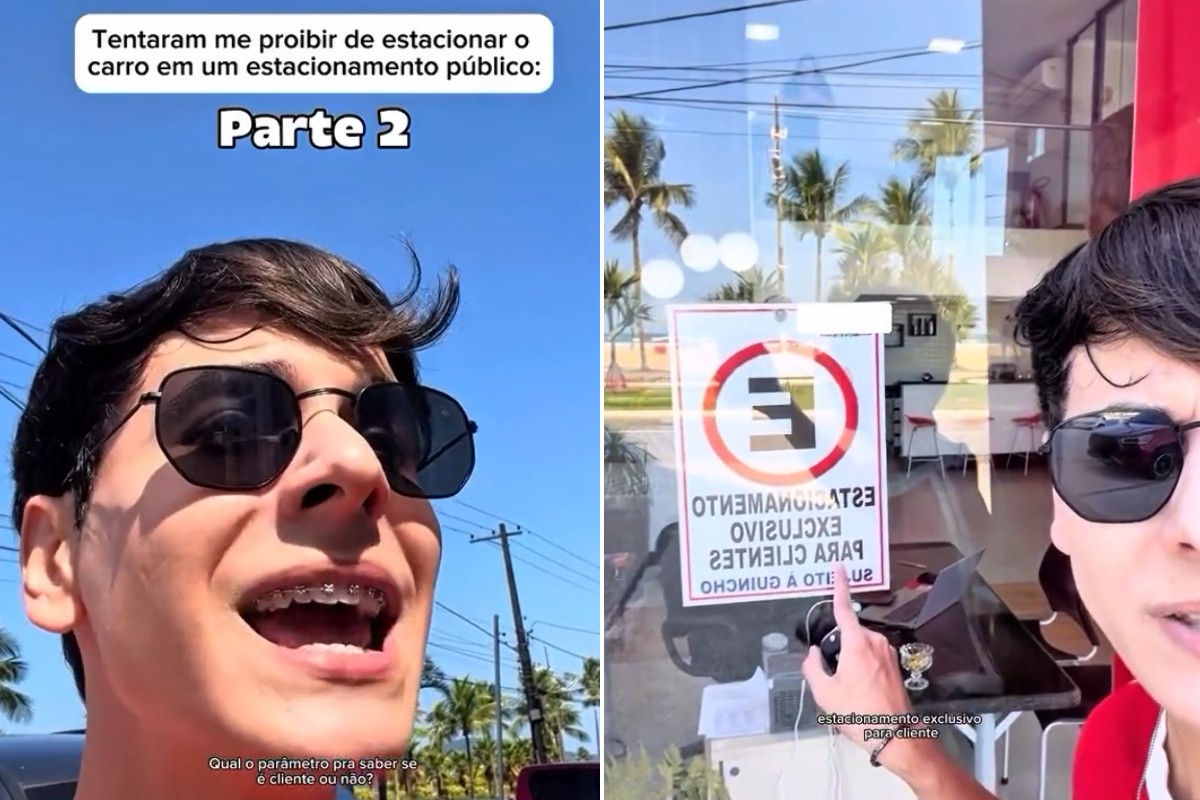
Social media influencer Gabriel Piccolo, known as 'Menino da Lei,' has been ordered by the São Paulo Court of Justice (TJ-SP) to pay R$ 30,000 in damages to the owner of a real estate agency in Praia Grande, São Paulo. The ruling, which is subject to appeal, stems from a video Piccolo posted showing a dispute over parking. Piccolo parked his car in the agency's lot and began recording after being asked to move. He argued the space was public and the curb had been illegally lowered. The agency's defense successfully demonstrated that the area is not a public parking zone and their operations comply with National Transit Council regulations. The court acknowledged that while the business wasn't explicitly named, online users identified it through the video's visuals. The TJ-SP found that Piccolo exceeded the bounds of free speech and acted without minimal responsibility by publicly denouncing the situation to an audience of millions, suggesting wrongdoing. The R$ 30,000 award will be split equally between the agency and its owner. The court did not order a public retraction or ban future commentary on the topic. The agency's legal representation stated the lawsuit aimed to hold the influencer accountable for his publications, emphasizing the immediate and potentially irreversible reputational damage caused by unverified claims. The video reportedly garnered over 30 million views across two platforms, leading to more than 440,000 new followers and an estimated R$ 25,000 in financial gains for Piccolo.
This case highlights the evolving legal landscape surrounding influencer accountability and the boundaries of free expression in the digital age. While platforms empower individuals to share their perspectives widely, the potential for rapid dissemination of unverified claims necessitates a careful balance between public discourse and the protection of reputation and business interests. The court's decision suggests a growing recognition that online reach, even without explicit naming, can constitute significant exposure, warranting legal recourse when statements are deemed to exceed reasonable limits. Future considerations may involve clearer guidelines for content creators regarding due diligence and the potential impact of their public 'denunciations' on individuals and entities, particularly as AI-generated content and deepfakes further complicate verification processes.
AI-generated to prompt reflection — not editorial opinion, not advice, not a statement of fact. How this works.