Influencer Pietra Bertolazzi Faces Backlash After Homophobic Remarks About BTS
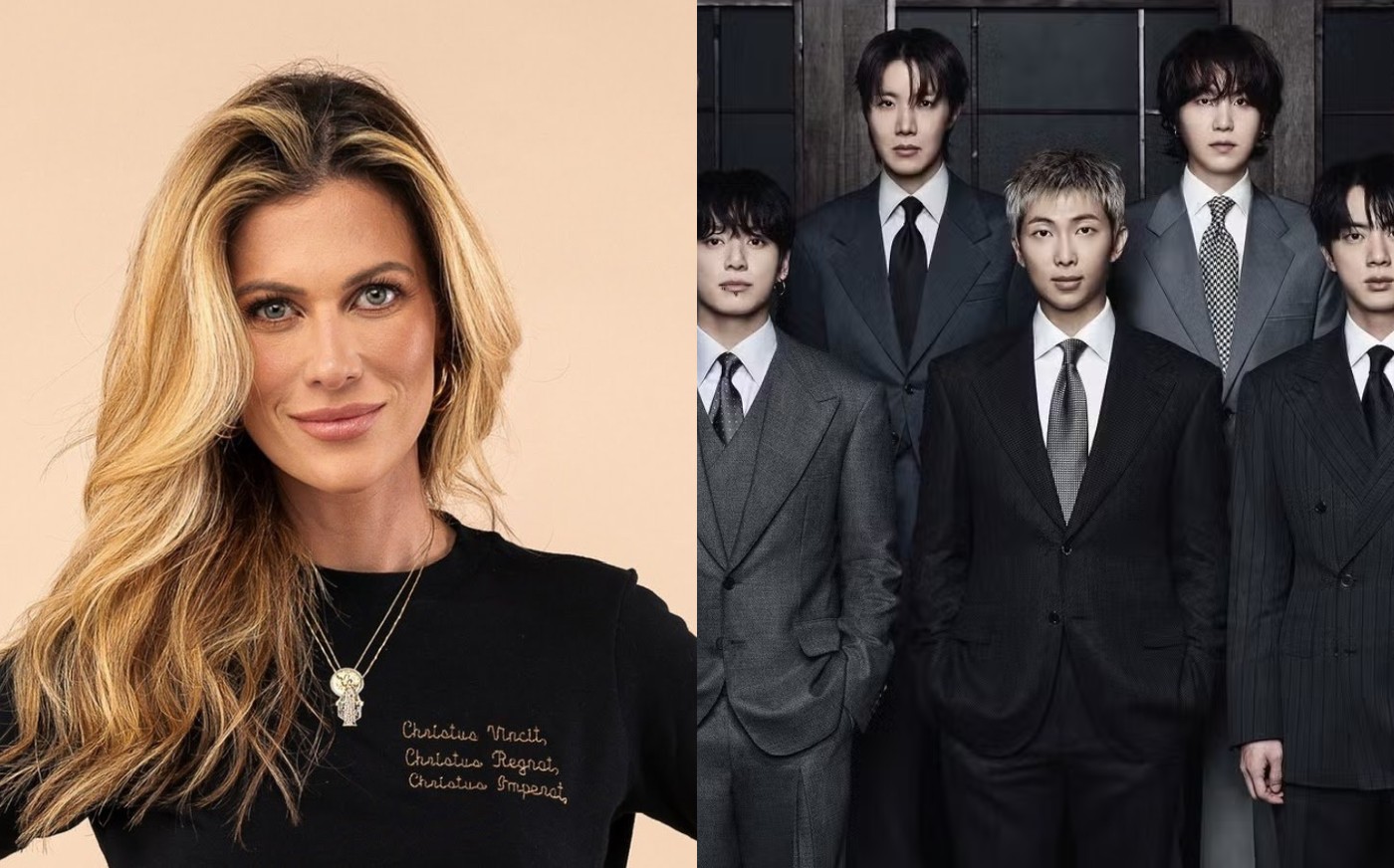
Digital influencer Pietra Bertolazzi ignited controversy by posting homophobic comments about the South Korean group BTS during the World Cup final on Sunday, December 19th. Bertolazzi criticized the band's performance, stating in a video caption that she was shocked to learn that a group of "effeminate men" was a major reference for the current generation, expressing shame and a lack of desire to know who they were. Her remarks quickly spread across social media, drawing strong reactions from BTS fans, known as ARMYs. Following the backlash, reports emerged that personal information attributed to Bertolazzi, including family details, address, and phone number, was leaked on X (formerly Twitter). Coordinated actions against her online presence also occurred, with her social media accounts being reported and attempts made to restrict them. Some users claimed she was registered as an election poll worker. In response to the fan reaction, Bertolazzi expressed surprise at the fandom's size, calling the community a "sewer" and comparing the reaction to speaking ill of a political party. Bertolazzi, who creates content on culture, ideologies, politics, and faith, subsequently restricted her Instagram profile and announced a temporary hiatus from social media.
The incident highlights the potent influence of global fandoms and the rapid dissemination of online commentary. Pietra Bertolazzi's homophobic remarks, made during a high-profile event, triggered a swift and severe backlash, demonstrating the power of organized fan communities to mobilize against perceived slights. The subsequent alleged doxing and coordinated online actions against her underscore the complex dynamics of digital activism and the potential for such actions to escalate beyond criticism into personal repercussions. This situation raises questions about the boundaries of online discourse, the responsibilities of influencers, and the ethical implications of retaliatory measures in the digital age. Furthermore, it reflects broader societal tensions surrounding LGBTQ+ acceptance and the role of popular culture in shaping public perception.
AI-generated to prompt reflection — not editorial opinion, not advice, not a statement of fact. How this works.