Influencer's Employee Reality Show Sparks Labor Ministry Investigation
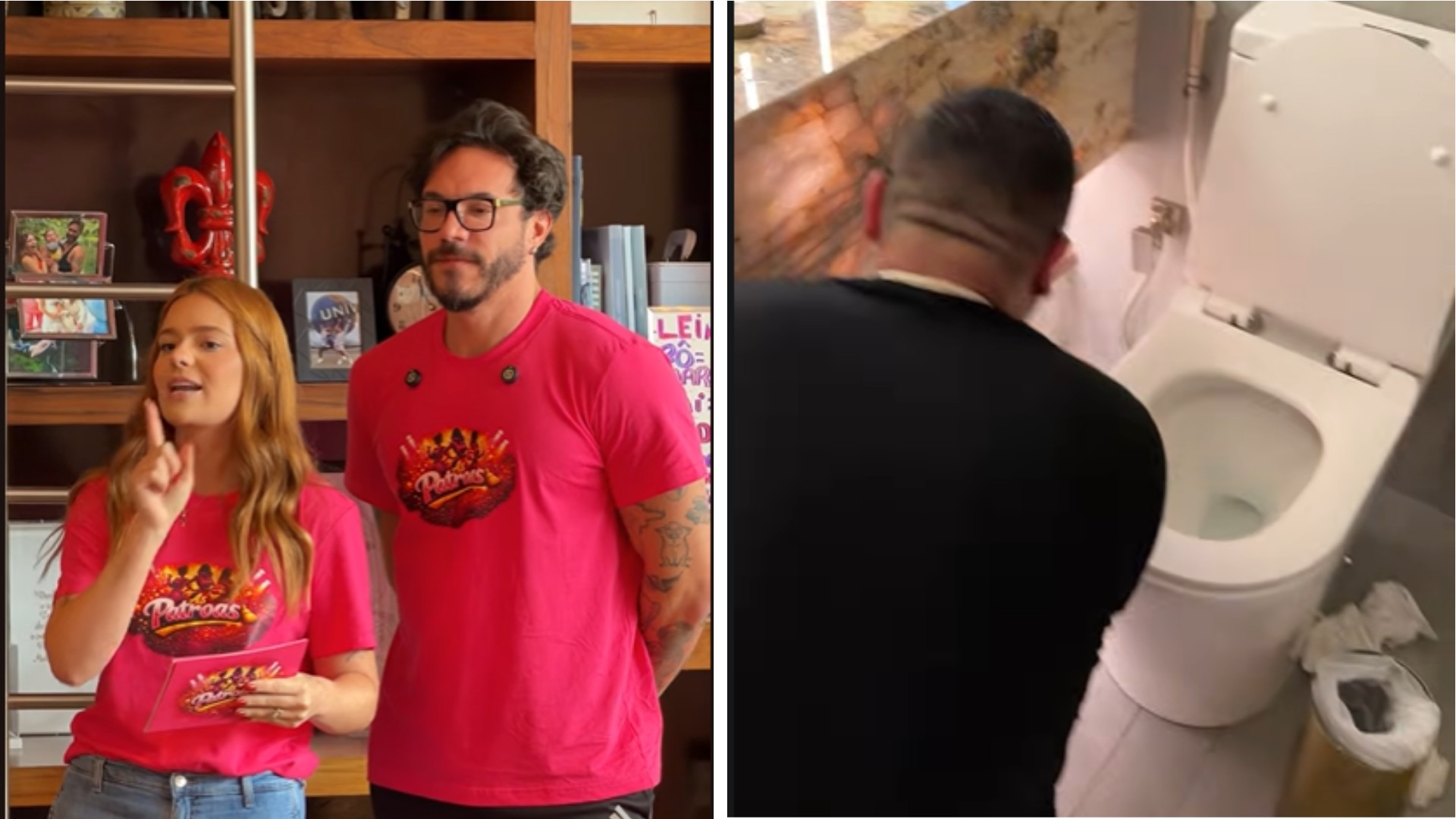
Brazilian influencers Viih Tube and Eliezer have come under scrutiny from the Ministry of Labor and Employment (MPT) for their reality show, "As Patroas." The program featured 11 of their employees competing for a R$20,000 prize. The first episode aired on Tuesday, January 30th, on YouTube, but was quickly removed after facing widespread criticism regarding the employer-employee dynamic. The MPT in São Paulo has opened an official procedure to investigate the facts, having learned about the initiative through media reports. The Superior Labor Court (TST) also commented, without naming the influencers, stating that exposing workers to humiliating or embarrassing situations can constitute moral harassment, emphasizing that dignity is constitutionally protected and humiliation is not entertainment. The Secretariat of Labor Inspection (SIT) has initiated a formal investigation, issuing a notification for the employer to provide clarifications and documents. The SIT is analyzing social media videos and may expand the investigation, potentially including on-site inspections. A labor law specialist highlighted that an employment contract does not automatically grant the right to commercially exploit an employee's image. A separate, specific contract with fair compensation, free and informed consent, and adherence to data protection laws would be necessary. The lawyer stressed that participation must be entirely voluntary, with no negative repercussions for refusal. Employees also retain the right to withdraw from participation at any time, and employers could face legal consequences for damages if employees are subjected to humiliating situations or if recording extends beyond work hours without proper compensation.
This situation highlights a growing tension between digital content creation and established labor laws, particularly as influencers blur the lines between personal life and professional engagement. The use of employees in entertainment content raises questions about consent, coercion, and fair compensation beyond standard wages. As the gig economy and influencer-driven businesses evolve, regulatory bodies are increasingly tasked with adapting labor protections to these new models. The case underscores the importance of clear contractual agreements that specifically address image rights and participation in non-core business activities. Future frameworks may need to define more explicitly the boundaries of employer-directed content creation involving staff to ensure worker dignity and prevent potential exploitation, especially given the power imbalance inherent in employment relationships.
AI-generated to prompt reflection — not editorial opinion, not advice, not a statement of fact. How this works.